Elegir un remolque cisterna inadecuado puede provocar fugas, pérdida de carga, condiciones de conducción inseguras y retrasos costosos. Los líquidos no se comportan como la carga seca. Se mueven, se desplazan y aumentan el riesgo. El remolque cisterna adecuado ayuda a tu flota a transportar de manera segura petróleo, gas, asfalto, líquidos aptos para uso alimentario y carga a granel seca.
Un remolque cisterna es un semirremolque con una carrocería tipo cisterna que se utiliza para transportar líquidos, gases, petróleo, asfalto, carga a granel seca, polvos u otros materiales a granel en camión. Entre los tipos más comunes se encuentran el remolque cisterna para combustible, el remolque cisterna de acero inoxidable, el remolque cisterna de aluminio, el remolque cisterna de acero al carbono, el remolque cisterna neumático para carga a granel seca, el remolque cisterna para asfalto, el remolque cisterna para productos químicos y el remolque cisterna para agua.
Esquema del artículo
- ¿Qué es un remolque cisterna?
- ¿En qué se diferencia un remolque cisterna de un camión cisterna?
- ¿Qué puede transportar un camión cisterna?
- ¿Cuáles son los tipos más comunes de remolques cisterna?
- ¿Cómo funciona un remolque cisterna para combustible?
- ¿Qué materiales se utilizan para fabricar remolques cisterna?
- ¿Por qué son importantes la capacidad, el compartimento y el diseño de los deflectores?
- ¿Cómo funcionan los remolques cisterna para carga a granel seca y los remolques cisterna neumáticos?
- ¿Por qué es importante la seguridad de los remolques cisterna y el cumplimiento de las normas?
- ¿Cómo se elige el remolque cisterna adecuado?
- ¿Qué deben tener en cuenta los compradores al comparar remolques cisterna nuevos o usados?
- ¿Por qué trabajar con un fabricante profesional de remolques cisterna en China?
- Preguntas frecuentes sobre los remolques cisterna
- Aspectos clave que hay que recordar
¿Qué es un remolque cisterna?
Un remolque cisterna es un semirremolque diseñado con una carrocería tipo cisterna en lugar de una plataforma plana, paredes laterales o una caja de carga cerrada. Se acopla a un camión tractor y se utiliza para transportar productos que pueden fluir, derramarse, evaporarse, reaccionar o que requieren protección hermética.
La función principal de un camión cisterna es sencilla: mantener a salvo la carga dentro del tanque durante la carga, el transporte por carretera y la descarga. Pero el diseño no es sencillo. Un remolque para diésel no es lo mismo que uno para asfalto. Un remolque para agua potable no es lo mismo que uno para productos químicos a granel.
En el lenguaje cotidiano del transporte, la gente puede decir “remolque cisterna”, “remolque tanque”, “camión cisterna” o “camión tanque”. Estos términos están relacionados, pero no siempre significan lo mismo. Un “remolque cisterna” suele referirse al semirremolque cisterna que es arrastrado por un tractor. Un “camión cisterna”, por su parte, suele referirse a un camión completo con un tanque montado sobre el chasis del camión.

¿En qué se diferencia un remolque cisterna de un camión cisterna?
A remolque cisterna Es remolcado por un camión tractor. Forma parte de un conjunto de vehículos articulados. Este diseño es común para el transporte a granel de larga distancia, la logística de grandes volúmenes de petróleo, la entrega de carga líquida y el traslado de materiales industriales.
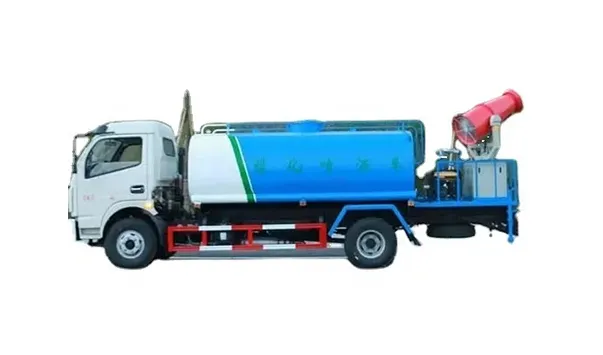
Un camión cisterna, o camión tanque, suele tener el tanque fijado directamente al chasis del camión. Se utiliza con frecuencia para rutas más cortas, entregas urbanas, estaciones de servicio, granjas, suministro de agua o trabajos de distribución local de menor envergadura. Los camiones de reparto pueden ser más fáciles de manejar en espacios reducidos, pero por lo general transportan menos producto que un semirremolque cisterna.
Para los compradores B2B, la elección depende de la ruta, las condiciones del camino, el tipo de producto, la capacidad deseada y el lugar de descarga. Si necesitas transporte de larga distancia y un volumen mayor, un remolque cisterna suele ser la opción adecuada. Si necesitas realizar entregas locales en calles estrechas, un camión cisterna puede ser más práctico.
¿Qué puede transportar un camión cisterna?
Un camión cisterna puede transportar muchos productos, pero cada uno requiere un diseño de cisterna adecuado. Los líquidos, los gases, el asfalto y los materiales a granel secos se comportan de manera diferente. Algunos son inflamables. Otros son corrosivos. Algunos deben mantenerse limpios. Otros necesitan calor. Y otros requieren aire comprimido para su descarga.
Entre las cargas habituales de los buques cisterna se incluyen:
| Tipo de carga |
Opción de buque cisterna común |
Necesidad principal de diseño |
| Petróleo, diésel, gasolina |
Remolque cisterna para combustible |
Válvulas de seguridad, sistemas de puesta a tierra, compartimentos |
| Petróleo crudo |
Remolque cisterna para petróleo |
Cuerpo del tanque resistente y sistema de descarga confiable |
| Combustible para aviones |
Camión cisterna de combustible |
Limpieza del tanque, sellado y separación del producto |
| Agua potable |
Remolque cisterna |
Superficie interior limpia y material seguro |
| Líquido apto para uso alimentario |
Remolques de acero inoxidable |
Higiene, superficie lisa, fácil de limpiar |
| Productos químicos a granel |
Buque cisterna para productos químicos |
Resistencia a la corrosión y diseño adaptable |
| Asfalto |
Camión cisterna de asfalto con aislamiento |
Conservación del calor y aislamiento |
| Cemento, cal, cenizas volantes |
Camión cisterna neumático |
Descarga de aire comprimido |
| Gránulos de plástico |
Camiones cisterna neumáticos |
Flujo en seco y descarga limpia |
| Gas licuado de petróleo |
Camión cisterna de gas |
Diseño de sistemas de presión y control de seguridad |
Un remolque cisterna debe ser adecuado para la carga. Esa es la primera regla. Una cisterna apta para petróleo puede no serlo para líquidos de uso alimentario. Una cisterna para agua puede no ser adecuada para el transporte de productos químicos a granel. La cisterna adecuada camión cisterna Todo empieza con el producto que necesitas transportar.
¿Cuáles son los tipos más comunes de remolques cisterna?
Los remolques cisterna están diseñados para diferentes tareas de transporte. Entre los principales tipos se encuentran los remolques cisterna para combustible, los remolques cisterna para productos químicos, los remolques cisterna para alimentos, los remolques cisterna para agua, los remolques cisterna para asfalto, los remolques neumáticos para carga a granel seca y los remolques cisterna para gas.
Aquí tienes una guía rápida:
| Tipo de remolque cisterna |
Uso principal |
Compradores típicos |
| Remolque cisterna para combustible |
Transporte de gasolina, diésel y petróleo |
Distribuidoras de combustible, empresas de energía |
| Remolque cisterna de aluminio |
Transporte de combustibles y líquidos ligeros |
Flotas de transporte de combustible, empresas de logística |
| Camión cisterna de acero inoxidable |
Líquidos de grado alimenticio y químicos |
Sectores alimentario, químico y farmacéutico |
| Cisterna de acero al carbono |
Cierto líquido derivado del petróleo o industrial |
Flotas de transporte industrial |
| Camión cisterna de asfalto |
Transporte de asfalto caliente |
Contratistas de construcción de carreteras |
| Camión cisterna neumático |
Cemento, polvo, productos a granel secos |
Operadores de logística de cemento y productos en polvo |
| Camión cisterna de agua |
Agua potable o agua industrial |
Granjas, minas, municipios |
| Camión cisterna de gas |
Gas o gas de petróleo licuado |
Empresas de energía y gas |
Los remolques se diseñan en función de las necesidades de carga. Por eso, dos camiones cisterna pueden parecer similares por fuera, pero funcionar de manera muy diferente. La estructura interna, el material, el sistema de válvulas, el diseño de los deflectores, la distribución de los compartimentos y el método de descarga pueden variar.
Para los propietarios de flotas y los distribuidores de remolques, esto significa una cosa: no compren un camión cisterna basándose únicamente en su apariencia. Pregunten para qué está diseñado para transportar.

Remolque cisterna para combustible
¿Cómo funciona un remolque cisterna para combustible?
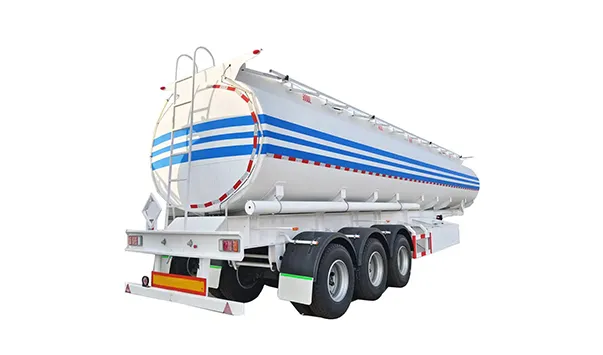
A remolque cisterna para combustible Se utiliza para transportar gasolina, diésel, petróleo, petróleo crudo, combustible para aviones y otros productos derivados del petróleo. Muchos camiones cisterna cuentan con varios compartimentos. Esto permite que un solo remolque transporte varios productos en un mismo viaje, manteniéndolos separados.
Un camión cisterna de combustible suele incluir bocas de inspección, válvulas de descarga, componentes de carga inferior, componentes de recuperación de vapores, sistemas de cierre de emergencia, sistemas de conexión a tierra, pasarelas de seguridad y un diseño antiestático. Estos componentes permiten una carga y descarga más seguras durante el trabajo diario.
El transporte de combustible no se trata solo de mover un líquido. Se trata de controlar los riesgos. El combustible puede ser valioso, delicado y peligroso. Un camión cisterna de alta calidad debe priorizar soldaduras limpias, sellos resistentes, válvulas confiables, una estructura a prueba de fugas y un funcionamiento práctico. Los pequeños detalles son importantes aquí. Mucho.
¿Qué materiales se utilizan para la fabricación de remolques cisterna?
El material del remolque cisterna depende de la carga. Entre los materiales más comunes se encuentran el aluminio, el acero inoxidable, el acero al carbono, el FRP y el acero aislado. Cada material tiene su propio uso.
| Material |
Uso común |
Ventaja principal |
| Aluminio |
Combustible, petróleo, líquido ligero |
Menor peso y mayor capacidad de carga |
| Acero inoxidable |
Apto para uso alimentario, productos químicos, líquidos limpios |
Resistencia a la corrosión y a las superficies limpias |
| Acero al carbono |
Ciertos líquidos industriales y derivados del petróleo |
Resistente y económico |
| FRP |
Algunas aplicaciones de líquidos corrosivos |
Resistencia a la corrosión |
| Acero aislado |
Asfalto y líquido caliente |
Ayuda a aislar la carga sensible al calor |
Los remolques de acero inoxidable suelen elegirse para el transporte de productos de calidad alimentaria o de ciertos líquidos químicos. Los remolques de aluminio son populares para el transporte de combustible, ya que permiten reducir el peso en tara. El acero al carbono puede ser una opción práctica para algunos productos industriales, pero la carga debe ser compatible con el material del tanque.
Como fabricantes de semirremolques, por lo general les hacemos cinco preguntas a los compradores desde el principio: ¿Qué producto transportarán? ¿Cuál es su densidad? ¿Es corrosivo? ¿Requiere calefacción o aislamiento? ¿Qué método de descarga necesitan? Las respuestas a estas preguntas determinan el material y la estructura del tanque.
¿Por qué son importantes la capacidad, el compartimento y el diseño de los deflectores?
La capacidad es importante, pero la capacidad máxima no siempre es la mejor opción. Un tanque más grande puede transportar más líquido, pero la carga útil final debe ajustarse a los límites de los ejes, las normas de tránsito, la capacidad de frenado y la maniobrabilidad segura.
Un compartimento divide el tanque en secciones. La presencia de varios compartimentos permite que el camión cisterna transporte varios productos o separe un mismo producto en secciones más pequeñas. Esto puede mejorar la flexibilidad en la entrega y el equilibrio de la carga.
Un deflector es una placa interna que se encuentra dentro del tanque. Ayuda a reducir el movimiento del líquido durante el frenado, los giros y la aceleración. El movimiento del líquido es una de las razones por las que puede resultar difícil manejar un camión cisterna. Cuando el líquido se desplaza hacia adelante, hacia atrás o de lado a lado, el conductor puede sentirlo. A esto se le suele llamar «sacudida».
Entre los factores clave de diseño se incluyen:
- Capacidad del tanque en función de la densidad de la carga y el peso máximo permitido en carretera
- Distribución de compartimentos para rutas de entrega y separación de productos
- Diseño de deflectores para el control de las oscilaciones de líquido
- Forma del tanque que garantiza estabilidad y reduce el riesgo de vuelco
- Control del centro de gravedad elevado para una conducción más segura
- Configuración del eje y la suspensión para la carga útil real
- Disposición de válvulas y tuberías para una descarga rápida
Para los compradores, la lección es clara: no te limites a preguntar “¿Cuántos litros?”. Pregunta también: “¿Este remolque puede transportar mi producto de manera segura por mis calles?”.”
¿Cómo funcionan los remolques para carga a granel seca y los remolques cisterna neumáticos?
No todos los camiones cisterna transportan líquidos. Algunos remolques cisterna transportan productos a granel secos, como cemento, cal en polvo, cenizas volantes, harina y gránulos de plástico. A estos remolques se les suele llamar remolques de carga seca a granel, remolques de cemento a granel o remolques cisterna neumáticos.
Un camión cisterna neumático utiliza aire comprimido para descargar carga en polvo o granulada. El aire entra en el tanque y empuja el material a granel a través de las tuberías de descarga. Esto hace que la descarga sea más rápida, más limpia y más controlada que la descarga manual.
Los remolques cisterna neumáticos son comunes en las plantas de cemento, la logística de materiales de construcción, el transporte industrial de polvos y las cadenas de suministro de productos a granel secos. Un remolque para cemento a granel es un buen ejemplo. No requiere un diseño de tanque para líquidos. Necesita el ángulo de cono adecuado, una tubería de aire, una válvula de descarga, un compresor adecuado y una estructura que permita el flujo del polvo.
Para quienes compran material a granel, el lugar de descarga es importante. Algunos lugares cuentan con su propio compresor de aire. En otros, es necesario que el remolque cuente con un sistema de descarga. Siempre confirma esto antes de hacer el pedido.
¿Por qué es importante la seguridad y el cumplimiento normativo de los remolques cisterna?
El transporte en camiones cisterna suele implicar el traslado de carga sensible. El petróleo, el gas, los productos químicos a granel y algunos líquidos de uso alimentario requieren una manipulación cuidadosa. La seguridad no es opcional. Es parte del diseño del remolque.
Un remolque cisterna más seguro puede incluir válvulas de emergencia, sistemas de conexión a tierra, pasillos antideslizantes, componentes de alivio de presión, un trazado ordenado de las tuberías, bocas de inspección resistentes, una estructura deflectora y una suspensión estable. Estos componentes ayudan a reducir el riesgo durante la carga, el transporte y la descarga.
El cumplimiento normativo también es importante. Algunos mercados cuentan con normas especiales para carga peligrosa, tanques a presión, transporte de productos alimenticios, peso en carretera, etiquetado de vehículos, calificación de los conductores e inspecciones. Dependiendo del país y de la carga, pueden aplicarse normas como la DOT-407, el ADR u otras normas locales. Los compradores siempre deben confirmar los requisitos locales antes de iniciar la producción.
Un fabricante puede brindar apoyo en materia de diseño y documentación, pero el comprador debe confirmar las normas definitivas de uso en carretera del mercado de destino. Esto es especialmente importante en el caso de cargas de combustible, productos químicos, gas y otras mercancías sujetas a regulación.
¿Cómo elegir el camión cisterna adecuado?
Para elegir el remolque cisterna adecuado, empieza por la carga. Luego, adapta el material, la capacidad, el compartimento, el método de descarga, el sistema de seguridad y las normas de tránsito. Esto es más seguro que elegir primero por el precio.
Usa esta sencilla lista de verificación para compradores:
| Pregunta del comprador |
Por qué es importante |
| ¿Qué producto vas a transportar? |
Determina el material del tanque y el diseño de seguridad |
| ¿Es líquido, gas, asfalto o carga a granel seca? |
Determina la estructura del tanque |
| ¿Es de grado petrolero, químico o alimenticio? |
Influye en las necesidades de limpieza y en la corrosión |
| ¿Qué capacidad necesitas? |
Influye en el tamaño del tanque y la configuración de los ejes |
| ¿Necesitas varios compartimentos? |
Ayuda a transportar varios productos |
| ¿Cómo vas a descargar? |
Descarga por gravedad, por bomba o neumática |
| ¿Necesitas aislamiento? |
Importante para el asfalto y los líquidos calientes |
| ¿Qué normas de tránsito se aplican? |
Afecta al eje, al sistema de frenos y al tamaño |
| ¿Necesitas personalización OEM/ODM? |
Ayuda a adaptar la flota a las necesidades del mercado |
Elegir el remolque adecuado también implica pensar en el mantenimiento. Las válvulas, las juntas, las tuberías, las bocas de inspección, las escaleras, la suspensión, los frenos, las llantas y las piezas de repuesto influyen en el funcionamiento diario. Un remolque de bajo precio puede terminar costando más a la larga si tiene fugas, se oxida o no pasa la inspección.

¿Cómo elegir el camión cisterna adecuado?
¿Qué deben revisar los compradores al comparar remolques cisterna nuevos o usados?
Algunos compradores consideran la posibilidad de adquirir un camión cisterna usado para reducir el costo de compra. Los remolques cisterna usados pueden ser una opción válida en algunos casos, pero deben someterse a una inspección minuciosa. La cuestión más importante es el historial de cargas anteriores. Es posible que un tanque que haya transportado productos químicos no sea adecuado para productos de grado alimenticio. Un tanque que haya transportado petróleo podría necesitar limpieza y certificación antes de volver a utilizarse.
Antes de comprar un camión cisterna nuevo o usado, revisa lo siguiente:
- Estado de la superficie interna del tanque
- Cordones de soldadura y corrosión
- Bocas de inspección, juntas y sellos
- Estado de las válvulas y las tuberías
- Estructura de deflectores y compartimentos
- Registros de carga anteriores
- Registros de pruebas de presión o de fugas
- Estado de los ejes, los frenos, las llantas y la suspensión
- Estado del documento y del cumplimiento
En el caso de la carga regulada, un remolque cisterna nuevo suele ser más seguro, ya que puede diseñarse específicamente para su producto, ruta, capacidad y requisitos locales. Para los propietarios de flotas, esto reduce la incertidumbre.
Un camión cisterna usado puede suponer un ahorro inicial. Pero si eliges el camión cisterna usado equivocado, puede costarte mucho más a la larga.
¿Por qué trabajar con un fabricante profesional de remolques cisterna en China?
Un fabricante profesional de remolques cisterna puede diseñar el remolque de acuerdo con tu carga y tu mercado. Esto es importante porque cada producto tiene necesidades de transporte diferentes. El petróleo, el asfalto, los productos químicos a granel, el gas, los líquidos aptos para uso alimentario, el agua potable y los polvos secos a granel no requieren el mismo tanque.
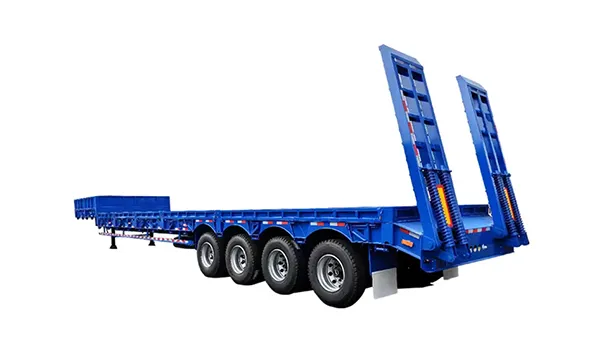
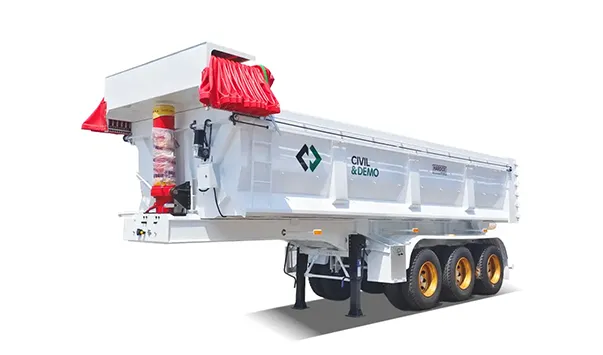
Somos un fabricante profesional de semirremolques en China. Diseñamos, producimos, personalizamos y exportamos remolques de transporte de alta resistencia para compradores de todo el mundo. Nuestra gama de productos incluye remolques cisterna para combustible, remolques cisterna de aluminio, remolques cisterna para transporte de cemento a granel, semirremolques de plataforma, remolques para contenedores tipo esqueleto, remolques con cortinas laterales, remolques con paredes laterales, remolques de plataforma baja, remolques «lowboy», remolques con cuello de cisne desmontable, semirremolques volquetes, remolques para transporte de automóviles, camiones y repuestos para remolques.
Para los compradores de camiones cisterna, ofrecemos los siguientes servicios:
- Diseño de remolques cisterna OEM/ODM
- Remolques cisterna para combustible y soluciones de transporte de hidrocarburos
- Opciones de tanques de aluminio, acero inoxidable y acero al carbono
- Personalización de compartimentos y deflectores
- Soluciones para remolques de carga a granel seca con sistema neumático
- Opciones de aislamiento para remolques cisterna de asfalto
- Apoyo técnico antes de la producción
- Precios directos de fábrica
- Entrega constante para los pedidos de flotas y concesionarios
- Apoyo a largo plazo para repuestos y compras recurrentes
Entre nuestros clientes objetivo se encuentran propietarios de flotas, empresas de combustibles, operadores de transporte de productos químicos, operadores de logística de cemento a granel, distribuidores de remolques, concesionarios de camiones y remolques, y compradores de proyectos internacionales. Estos compradores requieren una gran capacidad de carga, soldaduras confiables, un control de calidad estable, personalización flexible y una colaboración a largo plazo.
Caso práctico: Elección de un remolque cisterna para combustible para un distribuidor regional
Una distribuidora regional de combustible necesitaba un remolque para entregar diésel y gasolina a las estaciones de servicio. Al principio, el comprador se centró únicamente en la capacidad máxima. Tras analizar el plan de entrega, nos dimos cuenta de que el diseño de los compartimentos era más importante.
El comprador necesitaba transportar varios productos en un solo viaje. Un solo tanque grande no sería adecuado para este trabajo. Le sugerimos un remolque cisterna con varios compartimentos, válvulas de descarga confiables, sistemas de conexión a tierra, un diseño práctico de la pasarela y una configuración de ejes resistente.
La solución final ayudó al comprador a mejorar la eficiencia de las rutas y a reducir el tiempo de entrega. La flota podía transportar gasolina y diésel en un solo viaje, manteniendo los productos separados.
Lección del proyecto: El mejor buque cisterna no siempre es el más grande. El mejor buque cisterna es aquel que se adapta a tu carga, ruta, método de descarga y normas locales.
¿Qué preguntas deben hacer los compradores a un proveedor de remolques cisterna?
Antes de realizar un pedido, los compradores deben hacer preguntas directas. Los buenos proveedores deben responder con claridad y proporcionar planos, especificaciones y detalles de producción.
Entre las preguntas importantes se encuentran:
- ¿Para transportar qué tipo de carga está diseñado este buque cisterna?
- ¿De qué material está hecho el cuerpo del tanque?
- ¿Cuál es la capacidad de carga real en función de la densidad de la carga?
- ¿El remolque tiene compartimentos o separadores?
- ¿Qué método de descarga admite?
- ¿Qué tipo de eje, suspensión y sistema de frenos se utilizan?
- ¿Se puede aislar el tanque para asfalto o líquido caliente?
- ¿Se pueden personalizar las válvulas, las tuberías, las bocas de inspección, el color y el logotipo?
- ¿Qué proceso de control de calidad siguen?
- ¿Qué documentos de exportación y piezas de repuesto pueden proporcionar?
Un camión cisterna de alta calidad debe ser fácil de inspeccionar, práctico de manejar y estar diseñado para una larga vida útil. No compres solo por las fotos. Pide más detalles.
Preguntas frecuentes sobre los remolques cisterna
¿Para qué se usa un remolque cisterna?
Un remolque cisterna se utiliza para transportar líquidos, gases, petróleo, asfalto, carga a granel seca, polvos, líquidos aptos para uso alimentario o carga química. Es común en el suministro de combustible, la logística de productos químicos, el transporte de asfalto, el abastecimiento de agua y el transporte de cemento a granel.
¿Cuál es la diferencia entre un remolque cisterna y un camión cisterna?
Un remolque cisterna es un semirremolque cisterna que es arrastrado por un camión tractor. En un camión cisterna, el tanque suele estar montado directamente sobre el chasis del camión. Los remolques cisterna suelen transportar volúmenes más grandes para el transporte de larga distancia.
¿Qué es un remolque cisterna para combustible?
Un remolque cisterna para combustible es un remolque cisterna diseñado para transportar gasolina, diésel, petróleo, petróleo crudo o combustible para aviones. Puede incluir compartimentos, válvulas de descarga, sistemas de conexión a tierra, válvulas de emergencia y pasarelas de seguridad.
¿Por qué los remolques cisterna tienen deflectores?
Los remolques cisterna cuentan con deflectores para reducir el balanceo del líquido dentro del tanque. Esto ayuda a mejorar la estabilidad al frenar, girar y acelerar. Los deflectores son especialmente útiles cuando se transporta carga líquida.
¿Cuál es el mejor material para un remolque cisterna?
El material más adecuado depende de la carga. El aluminio se utiliza habitualmente para el combustible; el acero inoxidable, para productos alimenticios y algunos productos químicos; el acero al carbono, para ciertos líquidos industriales; y el FRP puede utilizarse para algunos productos corrosivos.
¿Es difícil manejar los remolques cisterna?
Los remolques cisterna pueden ser difíciles de manejar debido al movimiento del líquido dentro del tanque. Este movimiento puede afectar el frenado, los giros y la estabilidad. Es importante que el conductor cuente con la capacitación adecuada, que la carga se realice correctamente y que el diseño del tanque sea adecuado.
Aspectos clave que hay que recordar
- Un remolque cisterna es un semirremolque con una carrocería tipo cisterna que se utiliza para transportar líquidos, gases, petróleo, asfalto, carga a granel seca o carga en polvo.
- Por «camión cisterna» se suele entender un camión completo con un tanque, mientras que un remolque cisterna es el que es arrastrado por un camión tractor.
- Entre los tipos más comunes de buques cisterna se encuentran los buques cisterna para combustible, los buques cisterna para productos químicos, los buques cisterna para productos alimenticios, los buques cisterna para asfalto, los buques cisterna para agua, los buques cisterna para gas y los buques cisterna neumáticos para carga seca a granel.
- El material del tanque debe ser adecuado para la carga. El aluminio, el acero inoxidable, el acero al carbono y el FRP se adaptan a diferentes necesidades.
- La capacidad es importante, pero el peso legal en carretera, la densidad de la carga, la configuración de los ejes y la seguridad son igual de importantes.
- Los compartimentos permiten transportar varios productos, mientras que los deflectores ayudan a reducir las sacudidas del líquido.
- Los camiones cisterna neumáticos utilizan aire comprimido para descargar materiales a granel secos, como cemento y gránulos de plástico.
- Los compradores deben revisar el material, las soldaduras, las válvulas, los deflectores, la distribución de los compartimentos, la suspensión, el eje, la pintura, la documentación y las piezas de repuesto.
- Un fabricante profesional de remolques cisterna puede ofrecer diseño OEM/ODM, precios directos de fábrica, entregas confiables y apoyo técnico.
- El remolque cisterna adecuado debe adaptarse a tu carga, a tu ruta, a las regulaciones de tu mercado y a tu plan a largo plazo para tu flota.



 22 de junio de 2026