Elegir un remolque inadecuado para el transporte de carga líquida puede provocar fugas, retrasos en la descarga, altos costos de reparación y riesgos de seguridad. Si tu flota debe transportar combustible, aceite comestible, productos químicos o agua, la solución es elegir un remolque cisterna de buena calidad fabricado por un fabricante de confianza.
Un remolque cisterna para líquidos es un semirremolque con un cuerpo de tanque sellado diseñado para transportar líquidos a granel, tales como petróleo, líquidos de uso alimentario, fertilizantes, asfalto, petróleo crudo, agua potable y fluidos industriales. La elección del remolque cisterna adecuado depende del tipo de carga, el material del tanque, la capacidad, la distribución de los compartimentos, el método de carga y descarga, las condiciones de la carretera y los requisitos de cumplimiento locales.
Esquema del artículo
- ¿Qué es un remolque cisterna para líquidos?
- ¿Qué puede transportar un camión cisterna?
- ¿Cómo eliges el remolque cisterna adecuado para tu carga?
- ¿Deberías elegir acero inoxidable, aluminio, acero al carbono o FRP?
- ¿Por qué los camiones cisterna para productos alimenticios deben tener un diseño sanitario?
- ¿En qué se diferencian los remolques cisterna para petróleo y los de asfalto?
- ¿Qué características de los remolques afectan la seguridad, la capacidad de carga y la durabilidad?
- ¿Deberías comprar camiones cisterna nuevos o usados?
- ¿Qué pueden aprender los compradores de los ejemplos de Tremcar y Wabash Food Grade?
- ¿Por qué trabajar con un fabricante chino de remolques para proyectos de camiones cisterna OEM/ODM?
- Preguntas frecuentes
- Puntos clave
¿Qué es un remolque cisterna para líquidos?
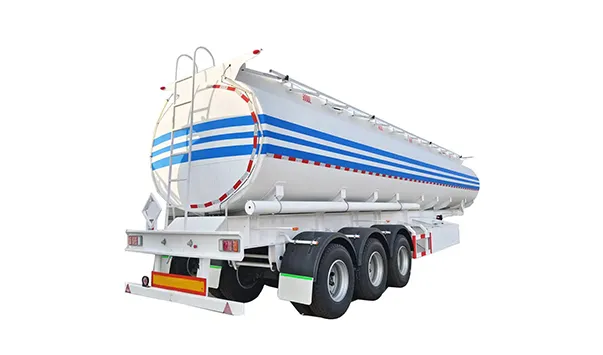
A remolque cisterna para líquidos es un remolque de transporte por carretera con un tanque redondo u ovalado que se utiliza para transportar líquidos a granel. A diferencia de los remolques de plataforma o de carga seca a granel, el producto no se coloca sobre una plataforma ni dentro de una caja. Se almacena dentro de un tanque sellado y se transporta por gravedad, mediante una bomba, a presión o mediante otros sistemas de descarga.
La mayoría de los diseños de remolques cisterna incluyen un cuerpo de cisterna, un chasis, una boca de inspección, una válvula de descarga, una tubería, una escalera, una pasarela, una suspensión, un tren de aterrizaje y componentes de seguridad. Algunos diseños cuentan con un solo compartimento. Otros cuentan con varios compartimentos para que el propietario pueda transportar más de un tipo de líquido en un solo viaje.
Como fabricante profesional de semirremolques en China, producimos soluciones de remolques cisterna para el transporte de combustible, aceite comestible, agua, líquidos químicos, asfalto, fertilizantes y otros trabajos de transporte a granel. Nos enfocamos en una estructura resistente, soldaduras impecables, un funcionamiento práctico y personalización OEM/ODM para compradores de todo el mundo.

Remolque cisterna para líquidos
¿Qué puede transportar un camión cisterna?
A camión cisterna puede transportar muchos productos líquidos. El diseño adecuado depende de la carga. El petróleo requiere controles de seguridad y válvulas adecuadas. Los líquidos de grado alimenticio necesitan una superficie interna limpia. El asfalto puede requerir aislamiento y calefacción. Los fertilizantes pueden requerir materiales resistentes a la corrosión. El agua potable necesita un tanque seguro y limpio.
Entre los tipos de carga más comunes se encuentran:
| Tipo de carga |
Materiales comunes para tanques |
Principal preocupación de los compradores |
| Gasolina y diésel |
Acero al carbono o aluminio |
Piezas de seguridad, sellado y antiestáticas |
| Aceite comestible y bebidas |
Acero inoxidable |
Superficie limpia y diseño higiénico |
| Asfalto |
Acero al carbono o acero inoxidable |
Retención de calor y velocidad de descarga |
| Fertilizante líquido |
Acero inoxidable o FRP |
Resistencia a la corrosión |
| Agua potable |
Acero inoxidable |
Limpia el tanque y las válvulas de seguridad |
| Petróleo crudo |
Acero al carbono |
Descarga resistente y confiable |
Un buen buque cisterna no solo debe “transportar líquido”. Debe proteger la carga, reducir las pérdidas y ayudar a la flota a descargar más rápido. Para las operaciones diarias, esto es muy importante.
¿Cómo elegir el camión cisterna adecuado para tu carga?
Para elegir el remolque cisterna adecuado, hay que empezar por una pregunta sencilla: ¿qué vas a transportar? Los líquidos a granel se comportan de diferentes maneras. Algunos son tan fluidos como el agua. Otros son tan espesos como el jarabe. Algunos necesitan calor. Otros deben mantenerse limpios. Y algunos pueden ser peligrosos.
Antes de comprar, debes revisar cinco puntos clave:
- Tipo de carga
- Material del tanque
- Volumen y carga útil
- Diseño de compartimentos
- Método de carga y descarga
Por ejemplo, un camión cisterna de 6500 galones puede funcionar bien para algunas rutas locales de transporte de combustible, pero es posible que no se adapte a todos los países, carreteras o límites legales de peso. Un volumen mayor en el tanque no siempre significa mayores ganancias. Si la carga útil excede las normas viales o la potencia del camión, el remolque se convierte en un problema.
Un proveedor profesional confirmará tus necesidades de transporte antes de iniciar la producción. Por lo general, preguntamos a los compradores sobre la densidad de la carga, la longitud de la ruta, el estado de las carreteras, el modelo del tractor, los requisitos de los ejes, el lugar de descarga y las normas locales. Esto nos ayuda a fabricar un remolque más seguro y funcional.
¿Deberías elegir acero inoxidable, aluminio, acero al carbono o FRP?
La elección del material es una de las decisiones más importantes. Los remolques de acero inoxidable se utilizan con frecuencia para transportar líquidos aptos para uso alimentario, agua limpia, productos químicos y algunas cargas corrosivas. El acero inoxidable ofrece una superficie lisa, buena resistencia a la corrosión y una larga vida útil.
El aluminio puede reducir el peso en vacío y aumentar la carga útil en algunos petróleo y aplicaciones de transporte de combustible. El acero al carbono es resistente y se utiliza habitualmente para el transporte de combustible, petróleo crudo y asfalto. El FRP puede utilizarse para el transporte de ciertos productos químicos o fertilizantes cuando la resistencia a la corrosión es la principal preocupación.
Aquí tienes una guía sencilla:
| Material |
Ideal para |
Ventaja principal |
| Acero inoxidable |
Alimentos, agua, líquidos químicos |
Limpio, resistente a la corrosión, de larga duración |
| Aluminio |
Transporte de combustibles y líquidos ligeros |
Menor peso |
| Acero al carbono |
Petróleo, asfalto, petróleo crudo |
Resistente y económico |
| FRP |
Líquido corrosivo |
Gran resistencia a la corrosión |
El mejor material depende de la carga, el presupuesto, la ruta y las normas locales. Un precio bajo no sirve de nada si el tanque se agrieta, se oxida o resulta difícil de limpiar.

¿Por qué los remolques cisterna para productos alimenticios deben tener un diseño sanitario?
Los remolques cisterna para uso alimentario deben mantener limpia la carga. Pueden transportar leche, aceite comestible, jugo, jarabe, vino, agua potable u otros líquidos a granel destinados al consumo humano. Por esta razón, la superficie interior debe ser lisa, fácil de limpiar y segura para su uso repetido.
Un tanque para uso alimentario suele requerir acero inoxidable, válvulas sanitarias, tuberías limpias, bocas de inspección, un sellado adecuado y un diseño que reduzca los residuos del producto. En algunos mercados también se utilizan las normas sanitarias 3a / 3-A para equipos alimenticios y lecheros. Los compradores siempre deben confirmar cuál es la norma específica que se exige en su país.
Los remolques para productos alimenticios no son lo mismo que los camiones cisterna para petróleo. El uso mixto puede generar un riesgo de contaminación. Si tu empresa maneja líquidos comestibles, comunícaselo claramente a tu proveedor. El remolque debe estar diseñado desde el principio para un transporte limpio.
¿En qué se diferencian los remolques cisterna para petróleo y los de asfalto?
Los remolques cisterna para petróleo están diseñados para transportar productos derivados del petróleo, como diésel, gasolina y otros líquidos refinados. A menudo requieren compartimentos, componentes antiestáticos, válvulas de emergencia, bocas de inspección y sistemas de seguridad. Algunos mercados pueden exigir diseños que cumplan con la norma DOT 407 para ciertas aplicaciones de vehículos motorizados con tanques de carga, dependiendo de la carga y del país.
Los remolques cisterna para asfalto son diferentes. El asfalto está caliente y es espeso. Es posible que el remolque deba aislar el tanque, retener el calor por más tiempo y facilitar una descarga sin problemas. Algunos tanques para asfalto utilizan sistemas de calentamiento o diseños especiales de descarga para mejorar el funcionamiento en el lugar de trabajo.
El comprador no debe utilizar un solo camión cisterna genérico para todos los trabajos. El combustible, el asfalto, los líquidos comestibles y los líquidos químicos requieren, cada uno, una estructura diferente. Por eso es tan importante mantener una comunicación clara antes de la producción.
¿Qué características de los remolques afectan la seguridad, la capacidad de carga y la durabilidad?
Los pequeños detalles de un remolque pueden cambiar por completo la experiencia del usuario. El valor de un remolque cisterna bien diseñado radica en los detalles: un chasis resistente, soldaduras de calidad, válvulas confiables, escaleras seguras, tuberías en buen estado y un mantenimiento sencillo.
Entre las características más importantes se incluyen:
| Característica |
Por qué es importante |
| Diseño de deflectores |
Ayuda a reducir el balanceo durante el transporte |
| Distribución de los compartimentos |
Admite múltiples productos o una carga más segura |
| Calidad de las válvulas |
Afecta la velocidad de sellado y descarga |
| Diseño de pozos de inspección |
Facilita la inspección y la limpieza |
| Suspensión |
Mejora la estabilidad en la carretera |
| Espesor del tanque |
Afecta la resistencia y la durabilidad |
| Pintura o tratamiento de superficies |
Ayuda a proteger la estructura |
El líquido se mueve dentro del tanque. A este movimiento se le llama “salpicadura”. Puede afectar el frenado y las maniobras. Un diseño profesional utiliza disposiciones de deflectores para reducir este riesgo y mejorar la seguridad vial.
Para las flotas globales, la durabilidad se traduce en menores costos de reparación y menos unidades fuera de servicio. También significa un mejor valor de reventa y mayores ganancias diarias.
¿Deberías comprar remolques cisterna nuevos o usados?
Muchos compradores buscan remolques cisterna en venta y comparan unidades nuevas o usadas. Un remolque cisterna usado puede suponer un ahorro inicial, pero puede conllevar riesgos ocultos. Es necesario verificar el historial del remolque, las cargas anteriores, la corrosión, el estado de las soldaduras, el estado de las válvulas, la documentación y el cumplimiento de la normativa.
Un nuevo remolque cisterna te brinda mayor control. Puedes elegir el material, la disposición de los ejes, el volumen del tanque, el número de compartimentos, el sistema de tuberías, la marca de las válvulas, el color de la pintura y la configuración para el mercado local. Además, obtienes una documentación más clara y una planificación más sencilla de las piezas a largo plazo.
Aquí hay una comparación sencilla:
| Opción de compra |
Ventaja |
Riesgo |
| Tanque usado |
Costo inicial más bajo |
Historial desconocido, riesgo de reparación |
| Nuevo tanque |
Registros personalizables y ordenados |
Costo inicial más alto |
| Nuevo tanque OEM/ODM |
Diseñado para tu mercado |
Se necesitan especificaciones claras |
Para los distribuidores, importadores y propietarios de flotas, las unidades nuevas a la medida suelen ofrecer un mejor valor a largo plazo, especialmente cuando la ruta, la carga y la normativa están bien definidas.
¿Qué pueden aprender los compradores de los ejemplos de Tremcar y Wabash en el sector de productos alimenticios?
En América del Norte, marcas como Tremcar y Wabash Food Grade ayudan a los compradores a comprender cómo los mercados maduros de camiones cisterna ofrecen valor al producto. No solo hablan del precio, sino también de la seguridad, los materiales, el aislamiento, la limpieza, la carga útil y las aplicaciones.
Esto es útil para los compradores internacionales. Cuando compares proveedores, no te limites a preguntar: “¿Cuánto cuesta el remolque?”. Pregunta: “¿Qué líquido puede transportar? ¿De qué material está hecho? ¿Cómo se descarga? ¿Es higiénico? ¿Es fácil de limpiar? ¿Qué piezas de repuesto puedo conseguir?”.”
Una fábrica china de remolques sólida debería responder a estas preguntas con claridad. Aplicamos la misma filosofía de “el cliente es lo primero” al brindar apoyo a nuestros clientes en el extranjero. Te ayudamos a elegir el remolque más adecuado para la carga, el camión, la ruta y el mercado local.
¿Por qué trabajar con un fabricante chino de remolques para proyectos de camiones cisterna OEM/ODM?
China cuenta con una sólida cadena de suministro de semirremolques, piezas para tanques, ejes, suspensiones, válvulas, trenes de aterrizaje, llantas y servicios de envío para la exportación. Esto permite ofrecer precios directos de fábrica, personalización flexible y entregas estables a los compradores internacionales.
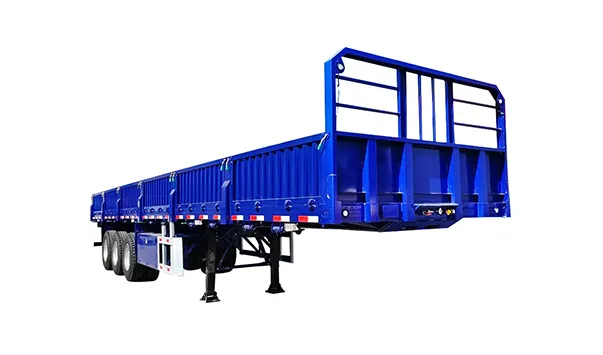
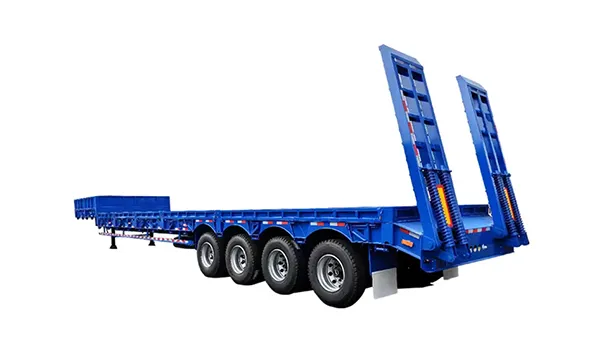
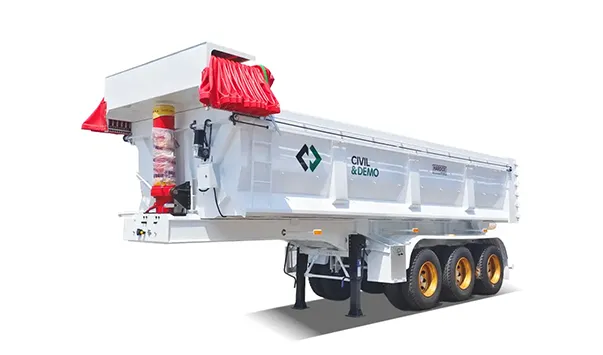
Como fabricantes profesionales de remolques, nos especializamos en soluciones OEM/ODM de remolques cisterna para petróleo, aceite comestible, agua, fertilizantes, asfalto y otros líquidos a granel. También fabricamos semirremolques de plataforma plana, remolques esqueleto para contenedores, remolques con cortinas laterales, remolques con paredes laterales o rejas, remolques de plataforma baja, remolques de plataforma baja (lowboy), remolques de cuello de cisne desmontables, cisternas para cemento a granel, semirremolques volquetes, transportadores de automóviles, camiones y repuestos para remolques.
Nuestro servicio es compatible con:
- Propietarios de flotas
- Empresas de transporte de combustibles y productos químicos
- Empresas de logística de líquidos alimenticios
- Distribuidores de remolques
- Distribuidores de camiones y remolques
- Contratistas de la construcción
- Empresas mineras
- Compradores de proyectos de infraestructura
- Operadores portuarios e intermodales
Nos enfocamos en estructuras resistentes con gran capacidad de carga, soldaduras confiables, control de calidad, personalización, entregas estables para la exportación y cooperación a largo plazo.

¿De qué manera la personalización OEM/ODM aumenta el valor de los remolques cisterna?
La personalización no se limita a agregar un logotipo. Ayuda a que el remolque se adapte al trabajo real del comprador. Un camión cisterna que se utiliza en un mercado desértico puede necesitar pintura, llantas y suspensión diferentes a las de uno que se utiliza en una zona costera húmeda. Un camión cisterna para combustible puede necesitar varios compartimentos. Un camión cisterna para alimentos puede necesitar un interior de acero inoxidable y un sistema de descarga higiénico.
Entre las opciones más comunes se encuentran:
- Material y espesor del tanque
- Capacidad del tanque
- Cantidad de compartimentos
- Número de eje y marca del eje
- Tipo de suspensión
- Diseño de válvulas y tuberías
- Sistema de bombeo
- Diseño de pozos de inspección y pasarelas
- Pintura y logotipo de la marca
- Cajas de herramientas y soportes para llantas de repuesto
- Compatibilidad con documentos locales
Para los distribuidores, la personalización ayuda a forjar una identidad en el mercado. Para las flotas, mejora el funcionamiento. Para los compradores de proyectos, reduce el riesgo. Un remolque bien adaptado puede funcionar mejor que tres unidades baratas pero inadecuadas.
Estudio de caso: Selección de remolques cisterna para una flota regional de combustible
Imagina que una distribuidora de combustible planea ampliar sus rutas de entrega en una región con clima cálido y donde la calidad de las carreteras varía. La empresa necesita transportar diésel y gasolina a gasolineras, obras de construcción y áreas remotas donde se llevan a cabo proyectos.
Las especificaciones prácticas pueden incluir un tanque de acero al carbono o aluminio, varios compartimentos, válvulas de emergencia confiables, un tren de aterrizaje resistente, componentes de seguridad antiestáticos y una suspensión adaptada a las condiciones del camino. El comprador también puede solicitar un diseño de pintura personalizado y un paquete de repuestos.
Este plan es mejor que comprar un remolque para el transporte de acciones al azar. ¿Por qué? Porque el transporte de combustible requiere seguridad, planificación de rutas, rapidez en la descarga y facilidad de reparación. Un remolque adecuado para el trabajo ayuda a la empresa a realizar sus entregas de manera más segura y a generar más ganancias a largo plazo.
Preguntas frecuentes
¿Para qué se utiliza un remolque cisterna para líquidos?
A remolque cisterna para líquidos Se utiliza para transportar líquidos a granel, como petróleo, aceite comestible, agua, fertilizantes, asfalto, petróleo crudo, productos químicos y otros fluidos. El diseño del tanque depende del tipo de líquido y de las normas locales de transporte.
¿Cuál es el mejor material para un remolque cisterna?
El acero inoxidable es el más adecuado para productos alimenticios, agua potable y algunos líquidos químicos. El aluminio es útil para el transporte de combustible ligero. El acero al carbono se utiliza comúnmente para el petróleo y el asfalto. El FRP puede ser adecuado para algunas aplicaciones con líquidos corrosivos.
¿Puede un remolque cisterna transportar tanto combustible como alimentos líquidos?
No, esto no es recomendable. La carga de calidad alimentaria requiere un tanque limpio e higiénico. El combustible puede contaminar el tanque y hacer que no sea seguro para uso alimentario. Elige siempre un remolque según la categoría de la carga.
¿Cuál es la diferencia entre los camiones cisterna para líquidos y los remolques cisterna neumáticos?
Los camiones cisterna transportan líquidos como combustible, agua, aceite y asfalto. Los remolques cisterna neumáticos suelen transportar polvos a granel secos, como cemento, harina, cal o gránulos de plástico, y se descargan mediante presión de aire.
¿Debería comprar un camión cisterna nuevo o usado?
Un tanque usado puede ser más barato, pero puede tener problemas ocultos. Un remolque cisterna nuevo permite un mejor control del material, el volumen, la distribución de los compartimentos, las piezas de seguridad y la documentación. Para las flotas a largo plazo, las unidades nuevas de fabricantes originales (OEM) o de fabricantes de diseño original (ODM) suelen ofrecer una mejor relación calidad-precio.
¿Pueden personalizar un remolque cisterna para mi mercado local?
Sí. Podemos personalizar el material del tanque, el tamaño, la disposición de los ejes, la suspensión, las válvulas, las tuberías, la pintura, el logotipo y otros detalles de acuerdo con el tipo de carga, las condiciones de la carretera, el modelo de camión y los requisitos del proyecto.
Aspectos clave que hay que recordar
- Un remolque cisterna para líquidos debe cumplir con los requisitos relativos a la carga, la carretera, el camión y la legislación.
- El acero inoxidable, el aluminio, el acero al carbono y el FRP se utilizan cada uno en diferentes aplicaciones.
- Los remolques cisterna para productos alimenticios deben contar con un diseño limpio e higiénico y una selección adecuada de materiales.
- Los buques cisterna para petróleo y asfalto requieren diferentes sistemas de seguridad y descarga.
- El sólido diseño de los deflectores, las válvulas, los compartimentos y el chasis mejora la seguridad y la durabilidad.
- Las opciones de tanques usados pueden suponer un ahorro inicial, pero las unidades nuevas personalizadas reducen el riesgo a largo plazo.
- Un fabricante chino confiable de remolques puede ofrecer diseño OEM/ODM, suministro directo de fábrica, servicio de exportación, repuestos y cooperación a largo plazo.



 22 de junio de 2026