Elegir el remolque inadecuado puede ralentizar la carga, dañar la mercancía y aumentar los costos operativos. La situación se agrava cuando se trata de maquinaria de gran tamaño, materiales a granel o contenedores. La solución es sencilla: hay que adaptar el tipo de remolque a la carga, la ruta y el método de descarga.
The main heavy duty trailer types include the flatbed trailer, step-deck or drop deck trailer, lowboy, removable gooseneck trailer, dump trailer, tanker trailer, bulk cement trailer, container chassis, skeleton trailer, refrigerated trailer, and specialized heavy haul trailer. The best trailer depends on cargo size, axle setup, loading method, and transport conditions.

Esquema del artículo
What makes a trailer a heavy duty trailer?
When is a flatbed trailer the best trailer type?
What is the difference between a step-deck trailer and a drop deck trailer?
Why choose a lowboy trailer or RGN for hauling heavy equipment?
Is a gooseneck trailer right for machinery and hot shot work?
When should you use a dump trailer for bulk cargo?
What trailer type is best for tanker and bulk cement transport?
Why are container chassis and skeleton trailers important in logistics?
Do refrigerated trailers count as heavy duty trailers?
How do axle count, loading method, and cargo type affect trailer choice?
What Makes a Trailer a Heavy Duty Trailer?
A heavy duty trailer is built to haul large, dense, oversized, or specialized cargo. In practice, that means stronger frames, more robust suspension, better weight distribution, and axle configurations that can support demanding transport work. It is not only about size. It is about what the trailer is designed to transport and how often it must do that work.
In the commercial market, heavy duty trailer categories commonly include flatbed trailers, lowbed or lowboy trailers, removable gooseneck designs, dump trailers, tanker trailers, dry bulk trailers, and container chassis. Great Dane’s product lineup, for example, includes flatbeds, dry vans, and refrigerated trailers, while Fontaine Specialized focuses on lowbed and heavy-haul trailer families.
As a China-based semi trailer manufacturer, we build trailer solutions for fleet owners, logistics operators, construction companies, mining and bulk material transport companies, fuel and cement transport providers, heavy equipment transport contractors, importers, and distributors. In this market, the right trailer is not just a product. It is a transport tool that affects uptime, safety, and total operating cost.
When Is a Flatbed Trailer the Best Trailer Type?
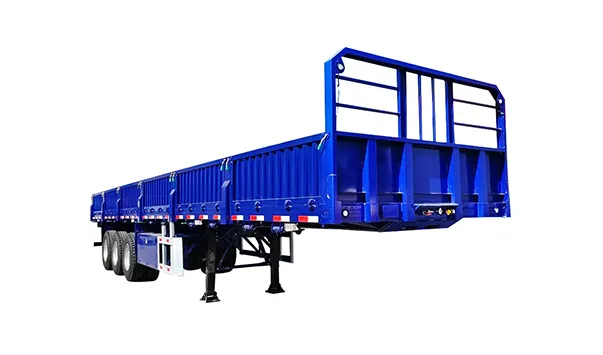
A remolque de plataforma is one of the most common trailer types in commercial road transport. It is an open trailer with no roof and no fixed sides, so it is easy to load from the rear, side, or top. That makes it a strong choice when the cargo is palletized, bundled, crated, or too large for enclosed transport.
A standard flatbed trailer is often used to haul steel coils, pipes, construction materials, prefabricated structures, timber, and machinery that can be lifted onto the trailer by crane or forklift. Great Dane identifies flatbeds as a core trailer family alongside dry freight and refrigerated products, which reflects how common flatbeds remain in commercial fleets.
The main benefit of a flatbed is flexibility. The main limitation is exposure. Because the cargo is open to weather, you may need tarps, straps, chains, or special securing methods. For buyers who move general industrial goods, a flatbed often becomes the first trailer purchase because it works across many load sizes and industries.
| Trailer Type |
Best Cargo |
Main Advantage |
Limitación principal |
| Flatbed trailer |
Steel, pallets, lumber, equipment |
Easy loading from many sides |
Open to weather |
| Step-deck trailer |
Tall cargo |
More height clearance |
Slightly more complex deck layout |
| Lowboy trailer |
Heavy equipment |
Very low deck height |
Specialized use |
| Remolque volquete |
Sand, gravel, demolition |
Fast unloading |
Not for pallet cargo |
What Is the Difference Between a Step-Deck Trailer and a Drop Deck Trailer?
A step-deck trailer and a drop deck trailer usually describe the same basic concept in much of the market: a trailer with two deck levels. The upper front section sits higher, and the main rear deck sits lower, which gives more vertical clearance than a flatbed. Logistics references commonly describe step decks as a flatbed alternative for freight that is too tall for a standard deck height.
For shippers, that lower deck is the main selling point. It lets you transport taller loads without immediately moving into more complex heavy-haul permits. That makes step-deck trailers useful for machinery, tanks, packaged industrial equipment, and construction cargo that is taller than what a standard flatbed can usually handle.
The extra deck drop can also help with loading and unloading using ramps or forklifts, depending on the cargo. If your freight is taller than normal but not heavy enough to need a lowboy, a step deck can be the practical middle option. Many buyers compare flatbeds and drop-deck trailers first because those two categories cover a large share of regular oversize commercial loads.

Why Choose a Lowboy Trailer or RGN for Hauling Heavy Equipment?
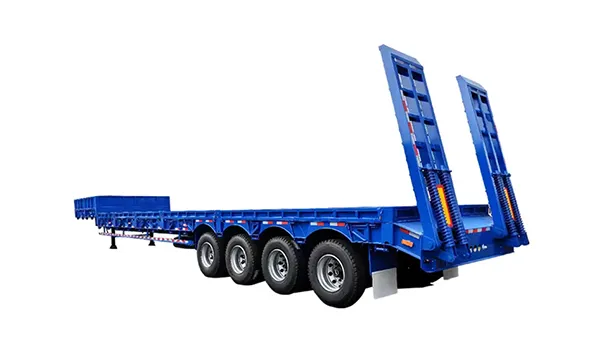
A remolque de plataforma baja is built for very tall and very heavy freight. Its deck sits much closer to the ground, which lowers the overall transport height and makes it easier to move heavy equipment legally and safely. This is why lowboys are widely used for bulldozers, excavators, cranes, road machinery, and other oversized construction equipment.
A remolque con cuello de cisne desmontable, often shortened to RGN, is a specialized lowboy design where the front gooseneck detaches so equipment can be driven directly onto the deck from the front. Fontaine describes its lowbed and heavy-haul lines as suited to construction transport, with both mechanical and hydraulic gooseneck options available. Industry guidance also notes that an RGN is essentially a lowboy that can detach from the front for loading.
This front-loading feature is one of the biggest reasons buyers choose removable gooseneck trailers. For hauling heavy equipment, front loading is often safer and more practical than trying to use long rear ramps. If your company regularly moves tracked or wheeled machinery, an rgn trailer or lowboy can save time and reduce loading risk.
| Heavy-Haul Trailer |
Uso recomendado |
Loading Method |
| Lowboy trailer |
Tall and heavy machinery |
Rear ramp or specialized access |
| RGN trailer |
Heavy equipment, self-propelled machinery |
Front loading after neck removal |
| Double drop trailer |
Tall freight with lower center deck |
Crane or ramp depending on model |
Is a Gooseneck Trailer Right for Machinery and Hot Shot Work?
A gooseneck trailer is a trailer with a front section that extends over the rear of the tow unit, which improves weight distribution and stability compared with a simple bumper-pull design. In lighter commercial transport, goosenecks are common behind a pickup truck or medium-duty tow vehicle. In heavier commercial categories, the gooseneck concept appears in lowbeds and removable gooseneck trailers.
For some buyers, the term gooseneck trailer also connects to hot shot trailer work. Hot shot operators often use goosenecks because the design improves control and payload distribution when compared with smaller bumper-pull units. That said, hot shot work is usually different from full heavy-haul semi trailer operations. The scale, truck type, permit conditions, and cargo types are not the same.
So is a gooseneck the right trailer? It depends on what you tow, how often you move it, and what your tow vehicle is. For a lighter contractor setup using a pickup truck, a gooseneck may be ideal. For repeated movement of heavy machinery, a semi trailer lowboy or RGN is usually the better commercial answer.
When Should You Use a Dump Trailer for Bulk Cargo?
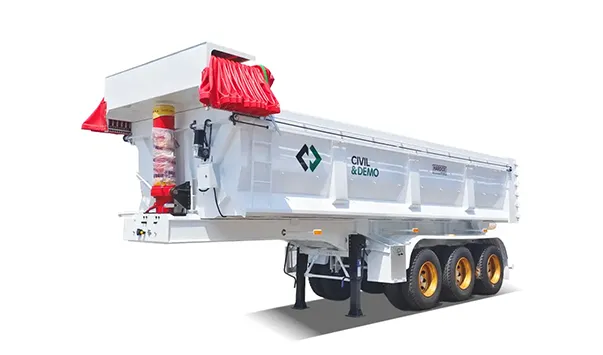
A dump trailer is the right trailer when the load is loose, dirty, abrasive, or fast to unload. Common examples include sand, gravel, crushed stone, coal, demolition waste, soil, and ore. The body lifts hydraulically so the material can discharge quickly without manual unloading.
MAC Trailer notes that dump trailer lines include steel and aluminum options, different frame styles, and multi-axle configurations, reflecting how broad this trailer category is for regional and heavy work. Dump semi-trailer guides also describe hydraulic tipping as the core function that makes them suitable for bulk loads in construction and mining.
The big advantage is speed at the unloading point. The big limitation is cargo type. A dump trailer is not the trailer you want for pallets, containers, or machinery. It is built for bulk materials that can safely slide or pour out. For construction and mining operators, this trailer type often becomes one of the most important fleet assets because it handles daily cycle work with heavy loads.
What Trailer Type Is Best for Tanker and Bulk Cement Transport?
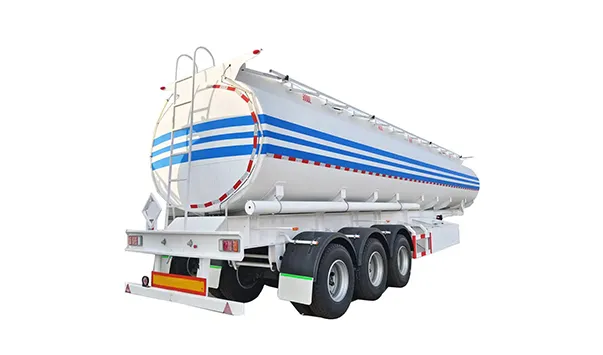
For liquid or powder cargo, a tanker trailer or dry bulk bulk cement trailer is usually the best option. These trailers are purpose-built for materials that flow, such as fuel, chemicals, edible liquids, cement, fly ash, lime powder, and other dry bulk products.
Heil Trailers describes its dry bulk trailer range as suited for hauling sand, cement, and food-grade materials, while other tanker manufacturers describe bulk cement tankers as pneumatic trailers for dry powder unloading. These are not general cargo trailers. They are engineered systems designed around pressure, flow, unloading speed, and material cleanliness.
If your work involves fuel distribution, construction cement supply, fly ash hauling, or plant-to-site powder transport, a tanker or cement bulker is often the best trailer because unloading method matters as much as payload. The right tank volume, pressure system, discharge layout, and axle setup will directly affect productivity.
Why Are Container Chassis and Skeleton Trailers Important in Logistics?
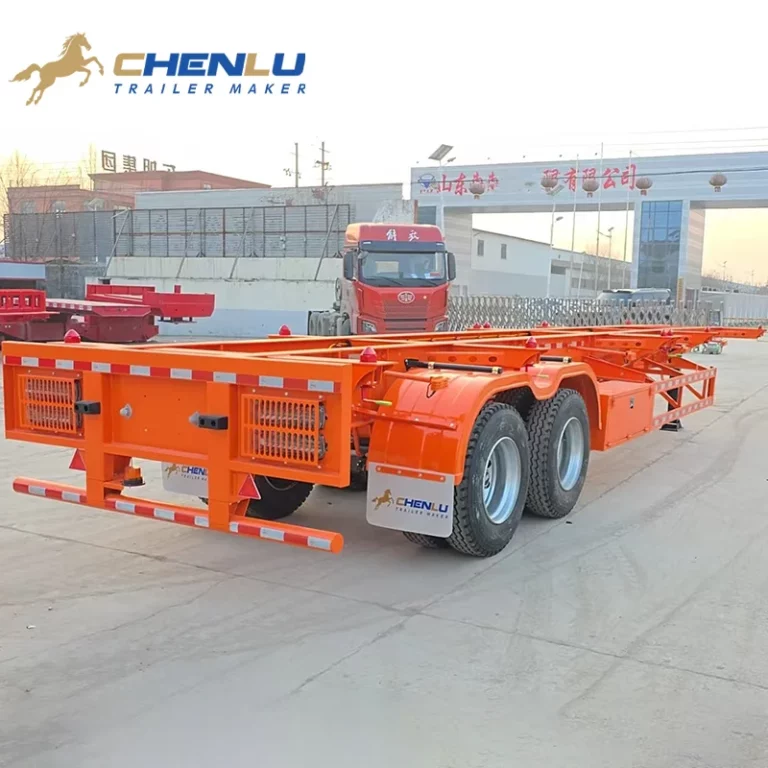
A chasis para contenedores or skeleton trailer is built to carry ISO containers efficiently. Instead of using a full deck, the chassis provides a frame structure and locking points designed around container dimensions. This reduces unnecessary weight and makes container movement faster in port, yard, and intermodal work.
Manufacturers such as Hercules, CIE, and Max-Atlas present chassis products in multiple frame lengths and configurations for intermodal container transport, showing how important this trailer class is in global logistics networks.
For logistics operators, skeleton trailers are essential because container handling is different from open-deck cargo hauling. The trailer type must match container size, lock position, terminal process, and truck routing. If your freight business handles ports, inland depots, and project container movement, chassis and skeleton trailers are among the most practical trailer options on the market.

Do Refrigerated Trailers Count as Heavy Duty Trailers?
Yes, refrigerated trailers can count as heavy duty trailers, especially when used in high-cycle fleet transport. They are built to transport temperature-sensitive cargo such as food, pharmaceuticals, and other controlled freight. Great Dane lists refrigerated trailers as a core trailer line, which shows how important reefers are in commercial transport fleets.
A reefer is different from a flatbed, lowboy, or remolque volquete because its job is climate control, not oversize loading. But it is still a heavy-duty commercial trailer in terms of structure, axle layout, route mileage, and service expectations. These trailers are used to haul critical cargo over long distances and often work under demanding operating schedules.
In a broad guide to different types of trailers, refrigerated units deserve a place because many fleet owners compare them alongside dry vans, flatbeds, and special transport semi trailers when planning a complete transport business.
How Do Axle Count, Loading Method, and Cargo Type Affect Trailer Choice?
The trailer frame matters, but so do the details under it. Axle count affects payload, turning behavior, road legality, and heavy loads capability. Loading method affects how quickly the job gets done and whether the freight can be handled safely. Cargo shape and weight distribution affect whether you need a flat deck, lower deck, tank, bulk body, or chassis frame.
For example, if you need easy loading and unloading for a forklift, a flatbed may be enough. If you need to drive a dozer onto the trailer, an RGN or lowboy is usually better. If the material is powder, then even the strongest flatbed is the wrong tool because the unloading method will fail the job.
Here is a practical buyer checklist:
- What exactly are you hauling?
- How heavy are the heaviest pieces of equipment?
- Does the cargo need side loading, top loading, ramp loading, or tipping?
- Do you need open deck or enclosed protection?
- Is height clearance a problem?
- How many axle lines do you need?
- Will the trailer work with your current tractor and route permits?
- Are you buying for fleet use or project-specific use?
Como empresa con sede en China fabricante de semirremolques, we usually tell buyers that the trailer purchase should start with the load, not with the brochure photo. The best fleets succeed because they match each type of trailer to the real job.
Case Study: Choosing Between a Flatbed and an RGN for a Construction Fleet
One contractor planned to move steel sections, formwork, and occasional excavators using one universal trailer. At first, a standard flatbed trailer looked like the most cost-effective answer because it could handle general cargo and was easy to source.
But the excavator moves created a different problem. The machinery was too tall for comfortable flatbed loading, and repeated use of ramps slowed the job. After reviewing actual loading practice, the buyer split the fleet plan: flatbeds for steel and building materials, and an RGN for hauling heavy equipment.
That changed the whole operation. Loading was faster. Risk was lower. The fleet used the right trailer for each job instead of forcing one trailer type to do everything badly.
FAQs About Different Types of Heavy Duty Trailers
What are the most common heavy duty trailer types?
The most common heavy duty trailer types include flatbed trailers, step-deck trailers, lowboy trailers, removable gooseneck trailers, dump trailers, tanker trailers, bulk cement trailers, container chassis, skeleton trailers, and refrigerated trailers.
What is the difference between a lowboy and an RGN trailer?
A lowboy has a very low deck for tall and heavy cargo. An RGN, or removable gooseneck trailer, is a type of lowboy where the front neck detaches so machinery can be loaded from the front.
When should I use a flatbed trailer?
Use a flatbed trailer when the cargo can be loaded from the side, top, or rear and does not need weather protection. It is ideal for steel, pallets, lumber, and general industrial freight.
Is a dump trailer good for heavy equipment?
Not usually. A dump trailer is best for loose bulk materials like sand, gravel, or demolition waste. For heavy equipment, a lowboy, RGN, or equipment trailer is normally the better option.
What trailer is best for transporting containers?
A container chassis or skeleton trailer is usually the best option because it is built specifically for ISO container locking and intermodal transport work.
Do refrigerated trailers count as heavy duty trailers?
Yes. Refrigerated trailers are heavy duty commercial trailers designed to transport temperature-sensitive cargo over long distances under demanding fleet conditions.
How do I find the best trailer for my business?
Start with the cargo, weight, loading method, route, and unloading needs. Then match those conditions to the trailer structure, axle layout, and body style that best fits your operation.
Conclusiones clave
Heavy duty trailers are designed around load type, loading method, and route conditions.
Flatbed trailers are versatile and common for open cargo transport.
Step-deck and drop deck trailers are useful for taller freight.
Lowboy and RGN trailers are the preferred choices for hauling heavy equipment and oversized machinery.
Gooseneck designs improve weight distribution and are important in both lighter commercial towing and heavy-haul trailer categories.
Dump trailers are best for loose bulk materials like sand, gravel, and demolition waste.
Tanker trailers and bulk cement trailers are specialized solutions for liquid and powder cargo.
Container chassis and skeleton trailers are essential for container logistics and port-related operations.
Refrigerated trailers are important heavy-duty commercial trailers for temperature-controlled freight.
The best trailer is the one that matches your cargo, axle requirement, loading method, and business model.



 27 de abril de 2026