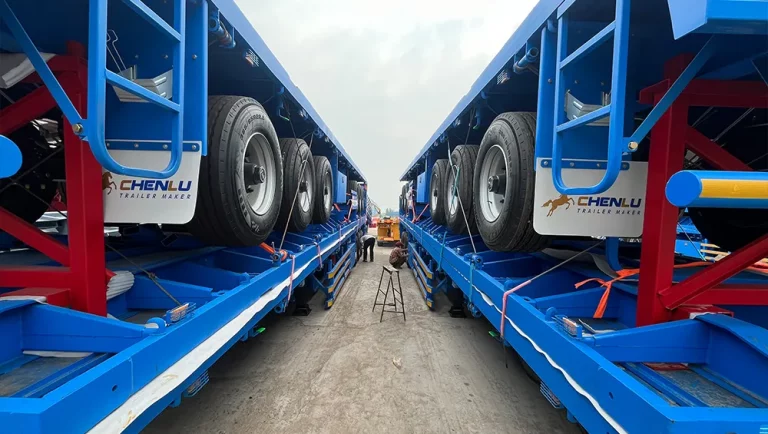
Buying the wrong equipment trailer can slow your jobs, damage your machines, and waste budget fast. The risk grows when cargo is heavy, roads are rough, and delivery dates are tight. The solution is to match the trailer to your load, route, and fleet plan.
A heavy equipment trailer should be chosen by checking GVWR, axle layout, deck style, loading method, ramp or tilt design, frame strength, and cargo size. Buyers comparing equipment trailers for sale should also review welding quality, suspension, tires, braking system, OEM customization, after-sales support, and local transport rules.
Esquema del artículo
- What Is an Equipment Trailer and Who Needs One?
- Why Does GVWR Matter When Choosing a Heavy Equipment Trailer?
- Tilt Trailer or Ramp Trailer: Which Loading Style Is Better?
- What Is a Deckover Equipment Trailer and When Should You Use It?
- How Do Axle Choices Affect Safety and Trailer Life?
- Low Profile Equipment Trailer or Deck Over Equipment Trailer?
- Gooseneck Equipment Trailer vs Bumper Pull: Which Is Better for Heavy Loads?
- How Should Buyers Compare Equipment Trailers for Sale?
- What Can Fleet Buyers Learn from Big Tex Trailers and Diamond C Trailers Searches?
- What Quality Details Should You Check Before You Buy a Trailer?
- How Can OEM / ODM Customization Improve Equipment Hauling?
- FAQs About Heavy Equipment Trailers
- Key Things to Remember
What Is an Equipment Trailer and Who Needs One?
An equipment trailer is built to move machines, tools, vehicles, construction equipment, and jobsite cargo. It is not just a simple platform with wheels. A good unit must carry weight safely, handle road stress, and help operators load equipment without wasting time.
Fleet owners, contractors, rental companies, trailer dealers, mining teams, and infrastructure project buyers often need trailers for equipment. They may use them to move skid steers, compact loaders, small excavators, tractors, rollers, lifts, and other machinery. The goal is simple: move the machine safely and keep the project moving.
As a professional semi trailer manufacturer in China, we design and export heavy-duty transport solutions for container logistics, construction machinery transport, mining work, port operations, energy projects, and global fleet operations. Our role is not only to sell a trailer. We help buyers match the right structure to real working conditions.

What Is an Equipment Trailer and Who Needs One?
Why Does GVWR Matter When Choosing a Heavy Equipment Trailer?
Peso bruto vehicular means Gross Vehicle Weight Rating. It is the maximum safe weight of the trailer plus the cargo. For any equipment trailer, GVWR is one of the first numbers a buyer should check. It tells you whether the trailer can legally and safely carry your machine.
For example, a 14k model may suit compact equipment, but it may not work for heavier machinery. If the machine, attachments, fuel, tools, and trailer body exceed the GVWR, the risk becomes serious. Tires heat up. Brakes work harder. Axles bend. The frame suffers.
Here is a simple way to think about it:
| Item to Check |
Por qué es importante |
| Machine weight |
Main cargo load |
| Trailer empty weight |
Reduces useful payload |
| Peso bruto vehicular |
Safe total rating |
| Capacidad de carga del eje |
Supports weight on the road |
| Tongue or kingpin load |
Affects balance and control |
Never choose only by the model name. A heavy duty equipment trailer should fit the real load, not a rough guess.
Tilt Trailer or Ramp Trailer: Which Loading Style Is Better?
A tilt trailer uses a tilting deck to help machines roll onto the platform. This can make loading easier when the machine has low ground clearance. A tilt design is also useful when operators move different machines during the day.
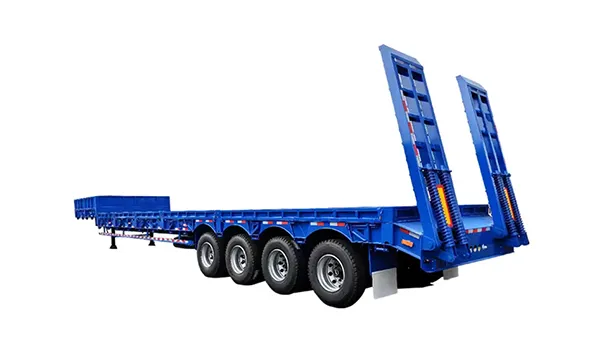
A ramp trailer uses rear ramps for loading. This design is simple, strong, and familiar to many operators. It can work well for skid steers, tractors, small rollers, and equipment and machinery used on construction sites. Ramps are also easier to repair in many regions.
So which one is better? It depends on your work. A single axle tilt trailer may suit light-duty local use. A heavy-duty tilt trailer can support stronger work. A ramp model may be better if you want a simple structure and lower maintenance. For frequent loading, a well-designed tilt system can save time.
“The best loading system is the one your operators can use safely every day.”
What Is a Deckover Equipment Trailer and When Should You Use It?
A deckover equipment trailer has the deck above the wheels. This gives a wider loading platform because the wheel wells do not take up deck space. It is useful for wider cargo, pallets, machinery, steel parts, and jobsite materials.
A deckover equipment design can be helpful when you need more usable width. It can also support equipment hauling in construction, farming, and industrial supply work. However, the deck sits higher than a low profile model, so loading angle and cargo height must be checked.
A deck over equipment trailer may be a smart choice when your work needs a wide, flat platform. But if you often move machines with low ground clearance, a low profile or tilt design may be easier. Always compare deck height, loading angle, and cargo type before choosing.
How Do Axle Choices Affect Safety and Trailer Life?
The axle system supports the load and affects how the trailer moves on the road. A single axle may work for lighter jobs, but many heavy-duty equipment buyers need tandem or multi-axle designs. More axles can improve load support and road stability.
A 14k equipment trailer often uses two axles rated to match the GVWR. For heavier work, buyers may need stronger axles, better suspension, and a reinforced frame. If the axle setup is too weak, the trailer may fail early, even if the deck looks strong.
Axle choice also affects long-term durability. Good weight balance protects tires, brakes, suspension, and the main frame. For fleet owners, this means fewer repairs, less downtime, and better cost control. In simple words: the axle is not a small detail. It is part of the trailer’s backbone.
Low Profile Equipment Trailer or Deck Over Equipment Trailer?
A low profile equipment trailer has a lower deck. This makes loading easier and helps reduce the loading angle. It is useful for compact machines, lifts, small rollers, and transporting small scissor lifts. A low-profile equipment design can also improve stability because the cargo sits closer to the road.
Some buyers search for an intelligently crafted low profile tilt design or a crafted low profile tilt bed because they want easier loading and better operator safety. This makes sense for fleets that move new equipment between job sites every day.
A deck over equipment trailer offers more deck width. A low profile design offers easier access. The right choice depends on your equipment needs. If you carry wide cargo, choose deckover. If you load machines often and want a lower angle, choose low profile.
Gooseneck Equipment Trailer vs Bumper Pull: Which Is Better for Heavy Loads?
A gooseneck equipment trailer connects inside the truck bed, while a bumper pull connects behind the towing vehicle. For heavy loads, gooseneck designs often give better stability and weight control. They can also handle larger GVWR ranges.
A gooseneck setup is popular among serious equipment haulers because it supports better turning, smoother towing, and stronger load balance. This is useful for heavy machinery, construction tools, and heavy-duty equipment transport.
However, a bumper pull trailer can still work for lighter equipment and local jobs. It is easier to connect and may cost less. For larger fleets, contractors, and dealers, gooseneck equipment options often bring better long-term value.
How Should Buyers Compare Equipment Trailers for Sale?
When buyers search for equipment trailers for sale, they often see many choices. Some focus on price. Some focus on brand. Some search “equipment trailers for sale near me” or even location-based terms like “trailers for sale in PA.” These searches are useful, but they are only the start.
A smart buyer should compare more than the listing title. Check GVWR, deck size, frame material, axle rating, tire specification, brake system, paint quality, loading method, and warranty support. Also check whether the supplier can offer export documents, spare parts, and engineering advice.
Here is a practical comparison table:
| Buying Factor |
Low-Cost Option |
Better Fleet Option |
| Frame |
Basic steel |
Reinforced structure |
| Welding |
Simple visual check |
Quality-controlled welding |
| Loading |
Standard ramp |
Ramp or tilt matched to machine |
| Ayuda |
Limitado |
Parts, drawings, and service support |
| Customization |
Few choices |
OEM / ODM options |
| Long-term cost |
May rise later |
Easier to control |
Cheap trailer sales can look attractive. But for heavy equipment trailers for sale, the lowest price may not be the best deal. A stronger unit can protect your cargo and reduce downtime.

What Can Fleet Buyers Learn from Big Tex Trailers and Diamond C Trailers Searches?
Many buyers search for Big Tex, Big Tex trailers, or Diamond C trailers when studying the trailer industry. These searches show one clear thing: buyers want trusted designs, clear specs, and proven performance. That is a useful lesson for any global buyer.
But brand search is not the same as the right purchase. A buyer in Africa, the Middle East, Southeast Asia, South America, or another export market may face different road conditions, weight rules, cargo sizes, and budget plans. A model popular in one market may not be the best fit for another.
That is why OEM trailer manufacturing matters. Instead of copying a catalog item, we help customers build specifications around real work. For dealers, distributors, and project buyers, this can create stronger local competitiveness.
What Quality Details Should You Check Before You Buy a Trailer?
A reliable equipment trailer should have strength and durability from the frame up. Look closely at the main beam, cross members, welding, suspension, tires, brakes, lighting, paint, and deck plate. Small details can become big problems after months of heavy work.
The National Association of Trailer Manufacturers is often mentioned in the market when buyers talk about trailer standards and industry professionalism. For international buyers, the same mindset matters: ask for clear specifications, quality control steps, and production photos before shipping.
Use this checklist before you buy a trailer:
- Check the rated GVWR and payload.
- Review axle brand and capacity.
- Confirm deck length and width.
- Check ramp or tilt loading design.
- Ask about welding process.
- Review surface treatment and paint.
- Confirm brake and lighting system.
- Ask for spare parts support.
- Share your cargo details before production.
A good supplier should welcome these questions. If a supplier avoids them, be careful.
How Can OEM / ODM Customization Improve Equipment Hauling?
OEM / ODM customization helps buyers build trailers that suit local markets and real jobs. A dealer may need an extensive inventory of heavy equipment trailers. A contractor may need one strong unit for daily equipment hauling. A rental company may need trailers built for hauling heavy machines from site to site.
Customization can include deck size, GVWR, axle layout, suspension, gooseneck design, ramp structure, toolboxes, spare tire carriers, color, logo, and local compliance features. This helps buyers create a range of equipment options for different customers.
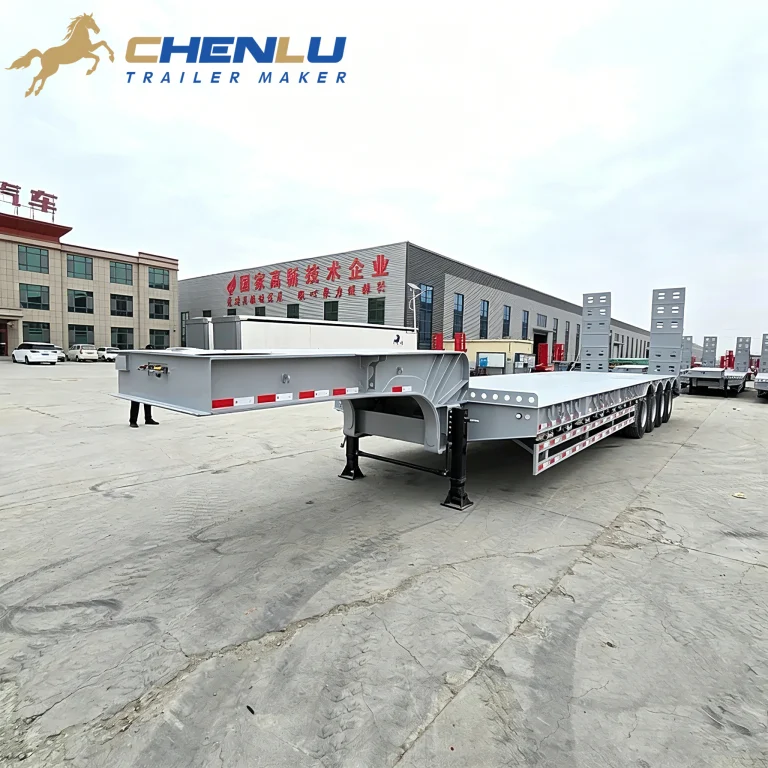
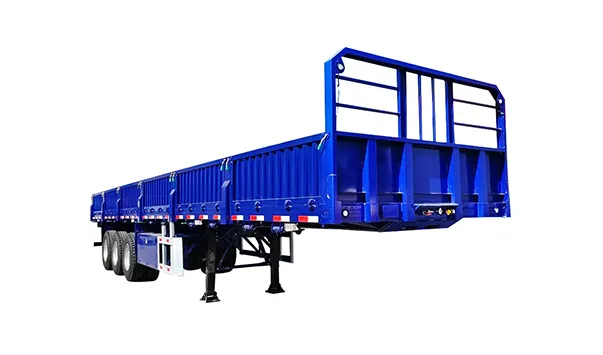
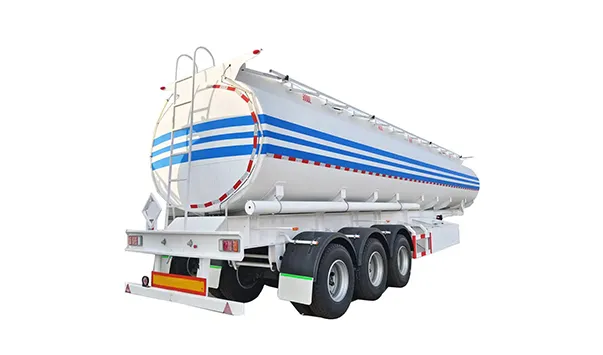
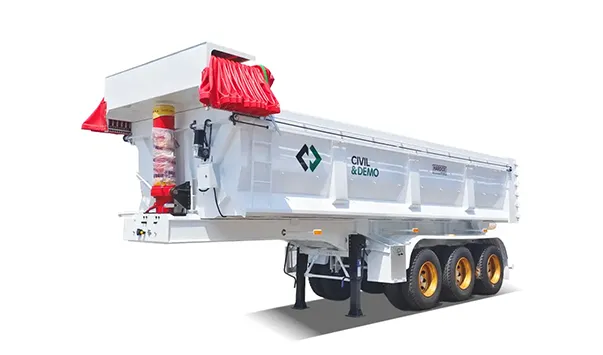
As a China-based manufacturer, we also produce flatbed semi trailers, skeleton container trailers, side curtain trailers, sidewall and fence trailers, lowbed trailers, lowboy trailers, removable gooseneck trailers, tanker trailers, bulk cement trailers, dump semi trailers, car carriers, trucks, and trailer parts. This product range helps international buyers source more than one type of transport solution from one supplier.

How Can an Equipment Trailer Support Better Fleet Profit?
A good equipment trailer does more than move a machine. It helps your fleet finish jobs faster. It reduces loading stress. It protects the cargo. It makes daily transport easier for drivers and operators.
For dealers and distributors, a strong product line also supports better sales. Customers want a variety of equipment trailer options, from light models to heavy-duty equipment trailer designs. They may also ask about financing options, local registration, spare parts, or after-sales support.
For international project buyers, the value is even bigger. A well-built trailer can support construction, mining, logistics, infrastructure, and industrial work for years. That is why factory-direct supply, stable delivery, and professional engineering support are important.
Practical Case Study: Choosing a Trailer for a Construction Rental Fleet
A rental company needed a trailer to move skid steers, compact loaders, and small road machinery. At first, the buyer looked for a basic model online. The price looked good, but the GVWR and ramp angle did not match all machines.
After reviewing the cargo list, we suggested a stronger heavy-duty design with a safer loading angle and reinforced deck. The buyer also requested custom paint, logo, and spare parts support. This helped the company improve its rental image and reduce service worries.
The lesson is simple. When hauling machinery every week, do not choose by photo alone. Choose by real work, safety, and long-term value.
Quick Selection Chart for Equipment Trailer Buyers
| Your Main Need |
Suggested Focus |
| Small local machine transport |
Single axle or light tandem model |
| Frequent loading |
Tilt trailer or low profile design |
| Wide cargo |
Deckover equipment trailer |
| Heavy loads |
Gooseneck equipment trailer |
| Dealer resale |
Flexible specs and branding |
| Rough road projects |
Reinforced frame and strong suspension |
| Export business |
Compliance, documents, and stable delivery |
This chart is only a starting point. The best choice still depends on cargo weight, route, work frequency, and local rules.
FAQs About Heavy Equipment Trailers
What is an equipment trailer used for?
An equipment trailer is used to move machines, tools, construction equipment, farm equipment, rental machines, and industrial cargo. It helps contractors, fleet owners, and dealers transport equipment safely between worksites.
What GVWR should I choose?
Choose GVWR based on the trailer weight plus the cargo weight. Do not forget attachments, fuel, tools, and spare parts. If your machine is close to the limit, choose a higher-rated model for better safety.
Is a tilt trailer better than a ramp trailer?
A tilt trailer is better for frequent loading and low-clearance machines. A ramp trailer is simple, strong, and often easier to maintain. The right choice depends on the machine type and daily work style.
What is the benefit of a deckover equipment trailer?
A deckover equipment trailer gives a wider deck because the deck sits above the wheels. It is useful for wider cargo, pallets, materials, and some machines. The trade-off is a higher loading height.
Should I choose a gooseneck equipment trailer?
Choose a gooseneck equipment trailer if you need better stability, higher capacity, and stronger towing performance. It is a good choice for heavy-duty work and larger fleet operations.
Can I order customized equipment trailers online?
Yes. Many international buyers discuss specifications online before production. You can share cargo size, cargo weight, road conditions, target GVWR, loading method, color, logo, and market requirements. The factory can then provide a matching design.
Key Things to Remember
- Choose an equipment trailer based on real cargo, not only price.
- GVWR is one of the most important safety numbers.
- Tilt and equipment trailers are useful when loading speed matters.
- A ramp design is simple and practical for many jobsite users.
- Deckover models offer more usable width.
- Low profile models can make loading easier.
- Gooseneck models are often better for heavy loads.
- Check axle rating, brakes, tires, welding, and paint quality.
- Compare equipment trailers for sale by specification, not only photos.
- Big Tex and other brand searches can guide research, but OEM customization may better fit export markets.
- A professional manufacturer should offer stable delivery, engineering support, and long-term cooperation.
- The best trailer is the one that fits your cargo, your route, your market, and your fleet plan.



 23 de junio de 2026