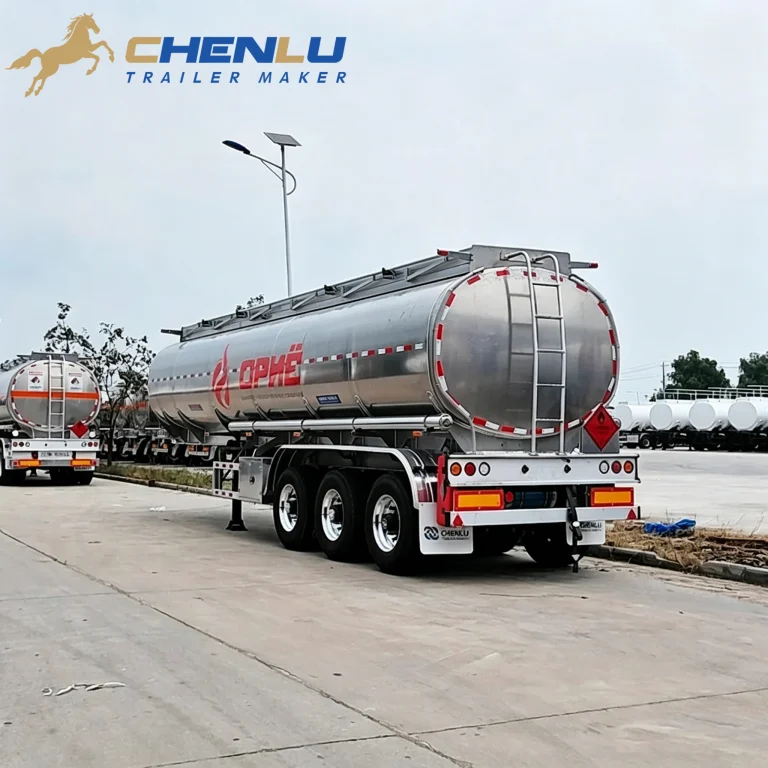
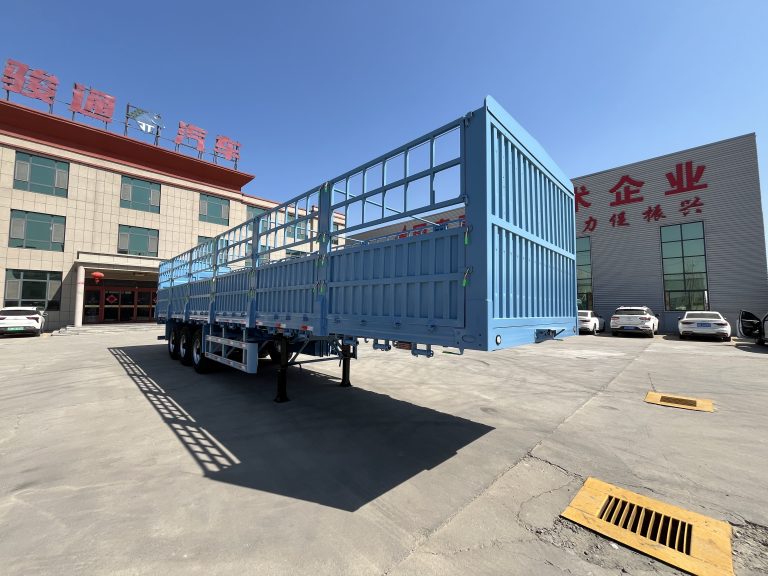
Comprar un semirremolque usado puede suponer un ahorro, pero los problemas ocultos pueden convertir una buena oferta en costosas reparaciones. Un sistema de frenos deficiente, la corrosión, daños en los ejes o la falta de registros de mantenimiento pueden provocar paradas de actividad en poco tiempo. Una inspección adecuada te ayuda a comprar con confianza.
When buying a used semi-trailer, inspect the trailer frame, axle, suspension, brake system, tires, landing gear, lighting, floor, corrosion, VIN, service history, GVWR, and trailer type. Verify ownership documents, maintenance records, inspection status, and whether the used trailer fits your hauling needs, cargo weight, road conditions, and local regulations.

Esquema del artículo
What should you look for when buying a used semi-trailer?
Why should you define your hauling needs before inspection?
How do you inspect the trailer frame, chassis, and structural integrity?
What should you check on the axle, suspension, and tires?
Why is the brake system so important when buying used?
How do you verify VIN, documents, GVWR, and ownership?
What trailer type should you choose: flatbed, reefer, dry van, tanker, lowbed, or chassis?
What maintenance records and service history should you ask for?
Should you buy from a reputable dealer or private sales?
What questions should you ask before buying a used semi-trailer?
What Should You Look for When Buying a Used Semi-Trailer?
When buying a used semi-trailer, start with safety and structure. A good-looking trailer may still have hidden issues under the deck, around the axle, inside the brake system, or near the coupling area. You need to inspect the trailer body, frame, suspension, brake parts, tires, electrical system, floor, corrosion, and service history before making a decision.
A used trailer is not only a piece of equipment. It is part of a truck and trailer combination that must haul freight safely. FMCSA guidance states that a driver must be satisfied that both the power unit and the trailer are in safe operating condition before operating the combination.
For global fleet owners, logistics operators, construction companies, mining and bulk material transport companies, fuel and cement transport providers, heavy equipment contractors, semi trailer importers, and distributors, buying used can be cost-effective. But the used semi-trailer must fit the cargo, road condition, weight limits, and local compliance requirements.
Why Should You Define Your Hauling Needs Before Inspection?
Before you inspect a trailer, define what you need to haul. A remolque de plataforma for steel cargo is different from a tanker trailer for fuel, a dump trailer for mining material, a remolque de plataforma baja for excavators, or a container chassis for container freight. The right trailer type depends on cargo shape, weight, loading method, distance, and road condition.
Ask yourself:
| Pregunta del comprador |
Por qué es importante |
| ¿Qué carga transportará el remolque? |
Defines trailer type and structure |
| What is the maximum cargo weight? |
Affects axle, brake, frame, and GVWR |
| Will it run local or regional hauls? |
Affects tire, suspension, and service expectations |
| Does cargo need weather protection? |
May require dry vans or reefer trailers |
| Is temperature control needed? |
Requires reefer inspection and refrigeration checks |
| Will it carry heavy loads? |
Requires stronger frame, axle, and suspension |
| ¿Qué condiciones del camino encontrará? |
Impacts chassis, suspension, and tire selection |
A used semi-trailer may look like a good deal, but it is only a good deal if it fits your hauling needs. A trailer that is too light for your cargo can create safety problems. A trailer that is too specialized may reduce resale value or limit daily use.
As a China-based semi trailer manufacturer, we always advise buyers to choose by application first. Price comes second. A right fit protects your fleet, reduces downtime, and improves long-term transport efficiency.
How Do You Inspect the Trailer Frame, Chassis, and Structural Integrity?
The frame and chassis are the backbone of the trailer. When buying a used semi-trailer, inspect the main beams, cross members, welds, side rails, kingpin area, landing gear mounts, rear frame, floor supports, and suspension connection points.
Look for warning signs such as:
- Cracks around welds
- Bent main beams
- Uneven frame alignment
- Heavy corrosion
- Poor repair welding
- Fresh paint hiding rust
- Damaged cross members
- Weak floor supports
- Impact marks near the rear of the trailer
- Twisted chassis or uneven deck height
Corrosion is especially important. Surface rust may be normal on older trailers, but deep corrosion around load-bearing areas is serious. It can reduce structural integrity and lead to expensive repairs. If a trailer has carried chemical cargo, road salt exposure, mining material, or wet freight, inspect more carefully.
A professional inspection is worth the cost for high-value used semi-trailers. It helps avoid hidden issues and unexpected repair costs after purchase.
What Should You Check on the Axle, Suspension, and Tires?
The axle and suspension carry the trailer load and affect road stability. Check axle configuration, axle rating, suspension type, bushings, air bags, leaf springs, hangers, U-bolts, shocks, wheel hubs, and alignment. Uneven tire wear may point to axle misalignment, suspension damage, or overloading.
The tire inspection should include:
| Artículo |
Qué hay que revisar |
| Tread depth |
Uneven or low tread increases risk |
| Sidewall condition |
Look for cracks, cuts, and bulges |
| Antigüedad de los neumáticos |
Old tires may fail even with tread left |
| Matching tires |
Mismatched tires can affect handling |
| Rim condition |
Check cracks, bends, and rust |
| Wheel nuts |
Look for missing nuts or loose marks |
| Tire wear pattern |
Uneven wear may show alignment issues |
NHTSA states that the sum of tire load ratings fitted to an axle must not be less than the gross axle weight rating of that axle system under FMVSS No. 120. This matters because trailer tires must match the trailer’s axle load and working condition.
A low purchase price can disappear quickly if the trailer needs new tires, axle repair, suspension work, or wheel-end service. Always include these possible repair costs in the final buying decision.
Why Is the Brake System So Important When Buying Used?
The brake system is one of the most important safety areas when buying a used trailer. A semi-trailer may carry heavy loads, so weak brakes create serious risk. Check air lines, brake chambers, slack adjusters, drums, discs, shoes, pads, ABS wiring, valves, air tanks, and glad hands.
FMCSA inspection and maintenance rules require commercial motor vehicles under a carrier’s control to be systematically inspected, repaired, and maintained. FMCSA also states that every commercial vehicle, including each segment of a combination vehicle, must undergo periodic inspection at least once every 12 months.
During inspection, look for:
- Air leaks
- Slow air pressure recovery
- Damaged brake hoses
- Cracked brake chambers
- Worn brake shoes or pads
- Scored drums or discs
- ABS warning light problems
- Poor slack adjuster condition
- Loose or damaged air tanks
- Corroded brake hardware
Do not treat brake repair as a small issue. If the brake system is weak, the used semi-trailer may require immediate service before it can safely haul freight.
How Do You Verify VIN, Documents, GVWR, and Ownership?
Documentation is just as important as mechanical condition. Verify the VIN, title, bill of sale, ownership record, registration documents, maintenance history, and inspection records. The VIN on the trailer should match the documents. If it does not, stop and investigate before paying.
NICB’s VINCheck is a free lookup service that can help determine whether a vehicle may have a record of an insurance theft claim that has not been recovered or has ever been reported as a salvage vehicle by participating member insurance companies.
You should also check GVWR. NHTSA explains that the gross vehicle weight rating of a trailer consists of the empty trailer weight plus its rated cargo load; the tractor is not included in the trailer GVWR.
Important documents include:
| Document |
Por qué es importante |
| VIN record |
Confirms trailer identity |
| Title or ownership proof |
Confirms legal sale |
| Bill of sale |
Protects buyer and seller |
| Maintenance records |
Shows service history |
| Inspection certificate |
Helps confirm recent roadworthiness |
| GVWR / GAWR label |
Confirms weight rating |
| Reefer service logs |
Critical for refrigerated trailers |
| Repair invoices |
Shows past damage or parts replacement |
A quality used trailer should have clear documents. Missing paperwork is a warning sign.

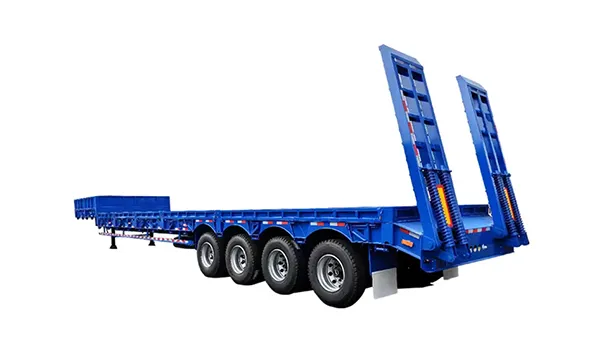
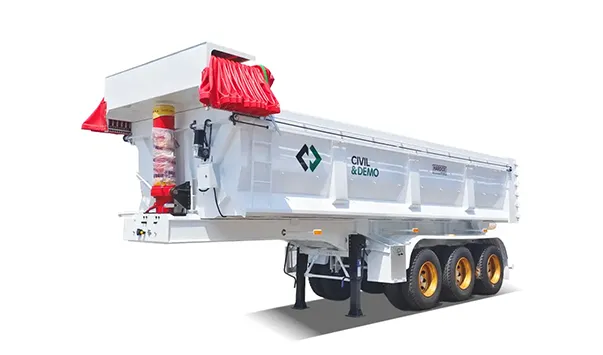
What Trailer Type Should You Choose: Flatbed, Reefer, Dry Van, Tanker, Lowbed, or Chassis?
Choosing the right trailer type is one of the most important steps. Buying used does not mean buying whatever is available. The trailer type must match the freight and operating environment.
| Tipo de remolque |
Ideal para |
Key Inspection Focus |
| Camión de plataforma |
Steel, lumber, machinery, construction cargo |
Deck, frame, tie-down points, corrosion |
| Camioneta de carga seca |
Boxed freight and general cargo |
Roof leaks, wall damage, floor, doors |
| Reefer |
Cold chain, food, medicine |
Refrigeration unit, insulation, doors, service logs |
| Camión de plataforma baja |
Maquinaria pesada y máquinas de gran altura |
Ramps, deck height, frame, axle capacity |
| Tanker |
Fuel, liquid, chemical cargo |
Tank body, valves, compartments, safety fittings |
| Remolque volquete |
Sand, gravel, mining material |
Hydraulic system, body wear, rear gate |
| Chasis para contenedores |
Transporte de contenedores |
Twist locks, frame, axle, landing gear |
| Remolque para cemento a granel |
Cement and powder transport |
Tank, air compressor, discharge system |
Dry vans and reefers are common in freight transport. Flatbeds are useful for open cargo. Lowbeds serve heavy equipment contractors. Tankers and bulk cement trailers need product-specific safety checks.
For a used reefer, inspect the refrigeration unit carefully. For a used flatbed, focus on deck strength and frame corrosion. For a used tanker, inspect internal cleanliness, pressure-related components, valves, and compliance documents.
What Maintenance Records and Service History Should You Ask For?
Maintenance records help show whether the used trailer was properly maintained. A clean trailer can still have poor service history. A rough-looking trailer may have complete records and good parts. Always ask for proof.
Ask for records related to:
- Brake service
- Axle repair
- Suspension repair
- Tire replacement
- Wheel-end service
- Electrical repair
- Reefer unit service
- Floor or roof repair
- Corrosion treatment
- Accident repair
- Annual inspection
- Major component replacement
Maintenance history helps you estimate future repair costs. It also helps you see whether the previous owner cared for the trailer. If records are missing, reduce your confidence and inspect more deeply.
For fleet buyers, records also help compare used semi-trailers across multiple sellers. A trailer with complete maintenance records may be worth more than a cheaper trailer with no service documents.
Should You Buy From a Reputable Dealer or Private Sales?
Both options can work. A reputable dealer may offer financing options, inspection support, trade-in choices, and clearer documents. Some dealers also offer limited service support or repair before delivery. The price may be higher, but the buying process is often safer.
Private sales may offer lower prices, but they also carry more risk. The trailer may be sold “as is,” and the buyer may have fewer protections. You need to verify VIN, ownership, condition, and maintenance history more carefully.
| Buying Source |
Ventaja |
Riesgo |
| Reputable dealer |
Better documentation, possible service support, financing |
Higher price |
| Private sale |
Precio de compra más bajo |
More hidden issues and limited support |
| Auction |
Competitive price, large selection |
Short inspection time |
| Fleet sale |
Possible maintenance records |
High mileage or heavy use |
| Manufacturer / rebuild supplier |
Technical support and customization |
Availability may vary |
Buying used can be cost-effective, but only when the trailer is fit for work. A cheap trailer with brake problems, corrosion, bad tires, and missing documents may cost more than a better pre-owned trailer from a reliable source.
What Questions Should You Ask Before Buying a Used Semi-Trailer?
Good questions help reveal risk. Before buying a used semi-trailer, ask the seller direct questions and compare the answers with inspection findings.
Questions to ask:
- What was the trailer used to haul?
- How old is the trailer?
- What is the VIN?
- What is the GVWR?
- What is the axle configuration?
- Are maintenance records available?
- Has the trailer been in an accident?
- Has the frame been repaired?
- Are there known brake issues?
- When were the tires replaced?
- Has the suspension been serviced?
- Does the trailer pass recent inspection?
- Are there water intrusion problems?
- Does the reefer unit work properly, if applicable?
- Is the bill of sale and ownership document ready?
- Are financing options available?
- What repairs are needed before use?
- Why is the trailer being sold?
If the seller avoids simple questions, consider it a warning sign. Honest sellers should know the trailer’s condition or be willing to let you inspect it.
Common Warning Signs When Buying Used Semi-Trailers
Some warning signs are easy to miss. Slow down when you see them.
| Warning Sign |
Possible Problem |
| Fresh paint over rust |
Hidden corrosion |
| Desgaste irregular de los neumáticos |
Axle or suspension issue |
| Soft or damaged floor |
Water intrusion or overload damage |
| Poor brake response |
Brake system repair needed |
| Missing VIN plate |
Identity or legal concern |
| No maintenance records |
Unknown service history |
| Cracked welds |
Structural integrity risk |
| Sagging trailer body |
Frame or suspension damage |
| Oil or grease leaks |
Wheel-end or axle issue |
| Weak lights or wiring |
Electrical system problems |
| Low price far below market |
Hidden issues possible |
A used truck, used semi truck, or used semi-truck should also be checked if you are buying the tractor and trailer together. Semi trucks add extra inspection points such as engine, transmission, emissions compliance, mileage, fuel efficiency, and cab condition.
How Should B2B Buyers Evaluate Total Cost, Not Just Purchase Price?
The purchase price is only one part of the cost. A used trailer may need tires, brakes, suspension repair, lighting repair, paint, floor replacement, or axle work. Add these costs before deciding.
Total cost includes:
- Purchase price
- Immediate repair costs
- Llantas
- Brake service
- Inspection and registration
- Transport or shipping
- Downtime
- Financing cost
- Future maintenance
- Resale value
- Compatibility with cargo
- Compliance updates
A used semi-trailer is a working asset. It must earn money, not just look cheap. If downtime is high, the trailer can hurt your freight schedule and customer service.

How Can a Manufacturer Help Buyers Choose New or Used Trailer Solutions?
A manufacturer understands frame design, axle selection, suspension systems, brake systems, loading methods, and cargo requirements. Even when buyers are comparing used semi-trailers, technical support can help them know what to look for when buying.
As a China-based semi trailer manufacturer, we provide flatbed semi trailers, skeleton trailers, lowbed trailers, remolques cisterna, dump trailers, container chassis, bulk cement trailers, and special transport vehicle solutions for global logistics, construction, mining, and bulk cargo transport customers.
For some buyers, a used trailer is the right choice. For others, a new custom trailer may offer better long-term value because it matches the cargo, road, axle load, local regulations, and brand requirements from the beginning. Choosing the right option depends on budget, urgency, transport job, and expected service life.
FAQs About Buying a Used Semi-Trailer
What should I look for when buying a used semi-trailer?
Look for frame cracks, corrosion, axle condition, suspension wear, brake system problems, tire wear, electrical issues, floor damage, water intrusion, VIN consistency, GVWR rating, maintenance records, and legal ownership documents.
Is buying a used semi-trailer a good idea?
Buying used can be a good idea if the trailer is structurally sound, properly maintained, correctly documented, and suitable for your hauling needs. It can save money, but hidden issues may create repair costs.
How do I inspect a used trailer?
Inspect the frame, floor, roof, doors, kingpin, landing gear, axle, suspension, brake system, tires, lights, wiring, and documents. For high-value trailers, use a professional inspection.
What is the most important document when buying a used trailer?
The title or ownership document, bill of sale, VIN record, maintenance records, and inspection certificate are all important. The VIN on the trailer must match the documents.
Why is GVWR important when buying a used semi-trailer?
GVWR shows the maximum rated loaded weight of the trailer, including the empty trailer and rated cargo load. It helps you confirm whether the trailer can legally and safely handle your freight.
Should I buy from a dealership or private seller?
A dealership may offer better documents, inspection support, and financing options. Private sales may be cheaper but often require more careful verification and inspection.
What are the biggest red flags in a used semi-trailer?
Major red flags include frame cracks, deep corrosion, missing VIN, weak brakes, uneven tire wear, water intrusion, damaged suspension, poor repair welding, missing documents, and no maintenance history.
Conclusiones clave
Buying a used semi-trailer can be cost-effective, but only if the trailer is safe, legal, and suitable for your cargo.
Define your hauling needs before inspection.
Inspect the frame, chassis, axle, suspension, brake system, tires, floor, lights, landing gear, and coupling areas.
Verify VIN, ownership documents, bill of sale, GVWR, and maintenance records.
A professional inspection can help avoid hidden issues and costly repairs.
Trailer type matters: flatbed, dry van, reefer, lowbed, tanker, remolque volquete, container chassis, and bulk cement trailer all have different inspection points.
A reputable dealer may reduce buying risk, while private sales require deeper verification.
Do not compare used semi-trailers by price only. Consider repair costs, downtime, compliance, and resale value.
For global logistics, construction, mining, fuel, cement, and heavy equipment transport projects, the right trailer should match cargo type, road conditions, axle configuration, weight limits, and long-term business use.



 25 de mayo de 2026